
Heat Pump Electrical Requirements: Does Your Panel Need an Upgrade Before You Switch?
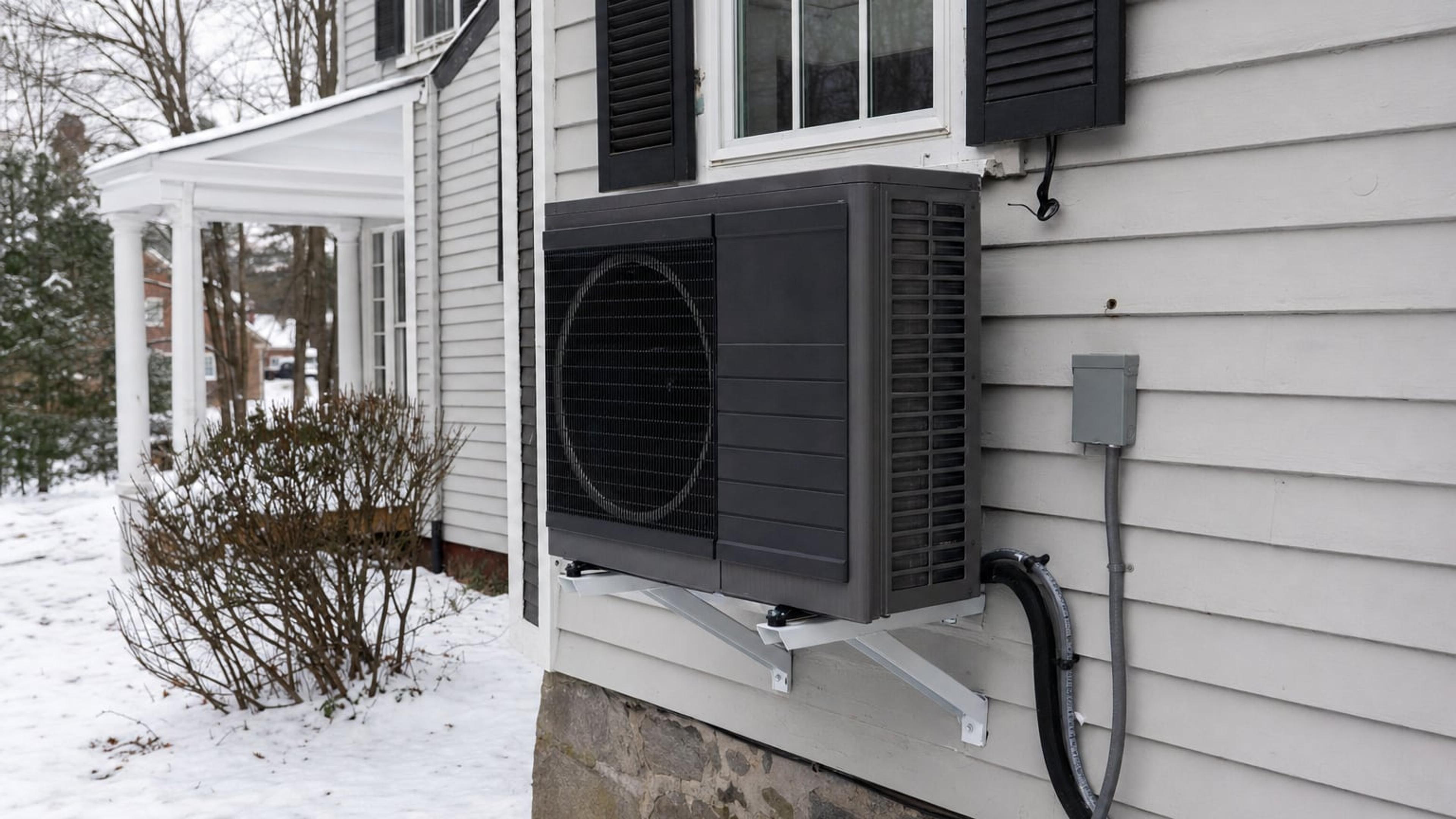
Most heat pumps need a dedicated 240-volt circuit for each outdoor unit, a weather-rated disconnect near the equipment, and enough spare capacity in your electrical panel to carry the new load alongside everything else in the house. Whether your panel needs an upgrade depends on a load calculation, not just the number on the main breaker. Many homes with 200-amp service have room to spare. A 100-amp panel can sometimes handle a heat pump, especially a smaller mini-split system, but homes that also have an electric range, dryer, water heater or EV charger often need a panel upgrade or service upgrade first.
If you are planning to switch from oil, propane or gas in Saratoga Springs, Wilton or Malta, checking the electrical side early keeps the project on schedule and avoids surprises on installation day.
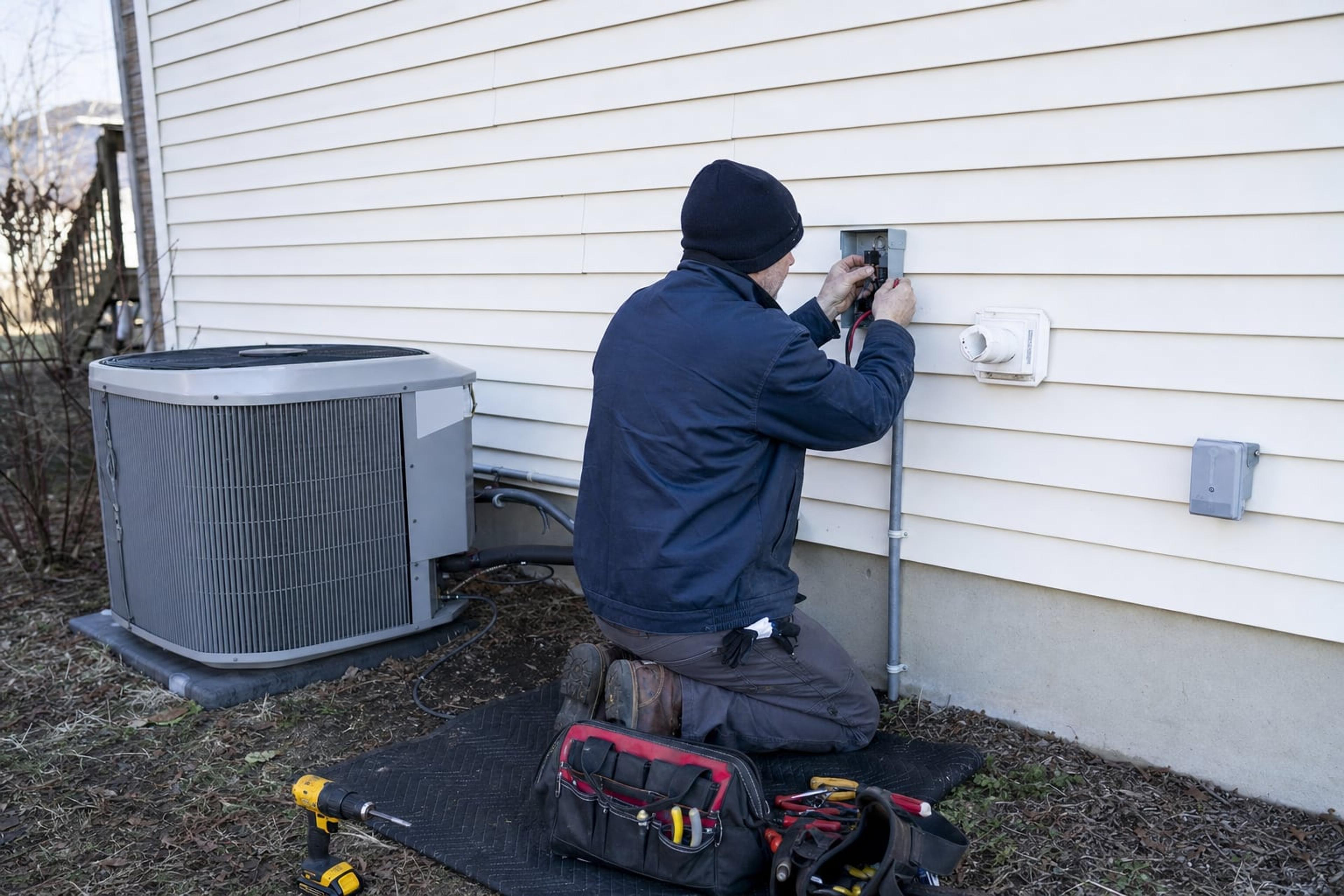
What a Heat Pump Needs From Your Electrical System
A heat pump moves heat instead of burning fuel, so the electrical system becomes your heating system. That changes what the panel and wiring need to deliver on the coldest days.
A Dedicated 240-Volt Circuit
Outdoor heat pump units, whether ducted systems or ductless mini-splits, typically run on 240 volts and get their own double-pole breaker. The breaker and wire size come from the manufacturer's nameplate, which lists the minimum circuit ampacity and the maximum overcurrent protection. An electrician sizes the circuit to those numbers, not to a guess.
An Outdoor Disconnect
The National Electrical Code calls for a disconnecting means within sight of air-conditioning and heat pump equipment so a technician can shut it off safely at the unit. In practice, that is a small weather-rated disconnect box mounted on the siding next to the outdoor unit, with the circuit run in protected wiring to the condenser.
Backup Heat and Air Handlers
Ducted heat pumps often include an indoor air handler with electric resistance backup heat strips. Those strips can draw a large amount of current on the coldest nights and sometimes need their own circuit. Cold-climate units are designed to keep working well below freezing, which can reduce how often backup heat runs, but the circuit still has to be sized for it.
Controls and Condensate
Mini-split indoor heads are usually powered through the outdoor unit's wiring, while some systems also need low-voltage control wiring or a condensate pump outlet. These are small items, but they belong in the plan.
Mini Split Electrical Installation vs. Ducted Heat Pumps
| System | Typical electrical work | Panel impact |
|---|---|---|
| Single-zone mini-split | One 240-volt circuit, outdoor disconnect, line to indoor head | Lower |
| Multi-zone mini-split | One larger 240-volt circuit to the outdoor unit, interconnect wiring to several heads | Moderate |
| Ducted heat pump with backup strips | Circuit for the outdoor unit plus a separate circuit for the air handler and heat strips | Higher |
| Whole-home conversion from fossil fuel | All of the above, often with multiple outdoor units | Higher |
A single mini-split for one cold room is often the easiest electrical job. A whole-home conversion is the one most likely to trigger a panel conversation.
100 Amp Panel and a Heat Pump: Will It Work?
It can, but only a load calculation will tell you. Electricians use the method in the National Electrical Code (Article 220) to estimate the home's demand based on square footage, appliances and heating and cooling equipment. The result shows whether the existing service has room for the new load.
Signs a 100-Amp Panel May Be Enough
- The home is modest in size and uses gas or propane for cooking, drying or hot water
- You are adding one or two mini-split zones rather than a whole-home system
- The panel has open breaker spaces and is in good condition
- There is no EV charger, hot tub or other large load planned
Signs You Probably Need a Heat Pump Panel Upgrade
- You have an electric range, dryer and water heater already
- You are planning a whole-home heat pump with electric backup heat
- An EV charger is part of the plan now or in the next few years
- The panel is full, uses tandem breakers everywhere, or is an older model with reliability concerns
- Lights dim when large appliances start, or breakers trip under normal use
If you are seeing those signs, our article on signs your electrical panel needs an upgrade goes into more detail.
Alternatives to a Full Upgrade
A full service upgrade is not the only option. Depending on the home, an electrician may recommend a subpanel to free up spaces, load management devices that prevent two large loads from running at full power together, or choosing heat pump equipment with lower electrical demand. These options are worth discussing before you commit to equipment.
How the Utility Fits In
If the load calculation shows you need more than your current service provides, the upgrade usually involves your utility, typically National Grid or NYSEG in the Capital Region. The utility may need to replace the service drop or meter and will coordinate a disconnect and reconnect. Many towns also require an electrical permit and inspection for the panel work. Building that coordination into the timeline early avoids delays once the heat pump installer is ready.
NYS Clean Heat Incentives and Electrical Work
New York's NYS Clean Heat program, run through NYSERDA and the state's utilities, offers incentives for qualifying heat pump installations through participating contractors. Program rules, eligible equipment and incentive amounts change over time, so check the current details with your heat pump installer and the program website. Some programs and utilities have also offered support for electrical upgrades connected to electrification, so ask whether any apply to your project before work begins.
What Drives the Scope of Heat Pump Electrical Work
| Cost driver | Lower | Moderate | Higher |
|---|---|---|---|
| Panel capacity | Room to spare | Subpanel or load management needed | Full service upgrade |
| Number of outdoor units | One | Two | Three or more |
| Distance from panel to unit | Short, same side of house | Across the basement | Through finished space or long exterior runs |
| Backup heat | None | Small strips | Large electric resistance backup |
| Utility involvement | None | Meter work | New service drop |
Because every house is different, the only reliable way to plan is an on-site evaluation and a written estimate.
Heat Pump Electrical Work in Saratoga Springs, Wilton and Malta
Homes across Saratoga Springs range from historic houses near downtown with older services to newer subdivisions in Wilton and Malta built with 200-amp panels. The older homes are more likely to need a panel or service upgrade before a whole-home heat pump, while newer homes often need only the dedicated circuits and disconnects. Either way, a load check before you sign an equipment contract makes the rest of the project smoother.
I-ReM Electric & Construction is a fully insured electrical contractor serving Saratoga Springs, Wilton, Malta, Clifton Park and the rest of the Capital Region. Our heat pump electrical service covers load calculations, dedicated circuits, disconnects and coordination with your HVAC installer, and our panel upgrade and repair team handles service upgrades when they are needed. Learn more about working with a Saratoga Springs electrician.
Get a Panel Load Check
Before you choose a heat pump, find out what your panel can carry. A load check gives you and your HVAC contractor a clear starting point.
Planning a heat pump? Get a panel load check and know exactly what your electrical system needs before installation day.
Frequently Asked Questions About Heat Pump Electrical Requirements
Does a heat pump need its own circuit?
Yes. Outdoor heat pump units typically need a dedicated 240-volt circuit sized to the manufacturer's nameplate, plus a disconnect near the unit. Some ducted systems also need a separate circuit for the air handler and backup heat.
Can I install a heat pump with a 100-amp panel?
Sometimes. A single mini-split often fits on a 100-amp service if the home has few other large electric loads. A whole-home system with electric backup heat usually calls for more capacity. A load calculation is the way to know.
How do I know if I need a heat pump panel upgrade?
Common signs include a full panel, an older panel model, frequent breaker trips, and plans for other large loads like an EV charger. An electrician's load calculation will confirm it.
Does NYS Clean Heat cover electrical upgrades?
NYS Clean Heat focuses on qualifying heat pump installations. Whether any support applies to related electrical work depends on current program rules and your utility, so confirm with your installer and the program website.
Who coordinates with National Grid or NYSEG for a service upgrade?
Your electrician typically handles the permit, the panel work and coordination with the utility for the meter and service connection.
Related Articles
Have a Project In Mind?
Tell us about your project and we'll follow up with an estimate.