
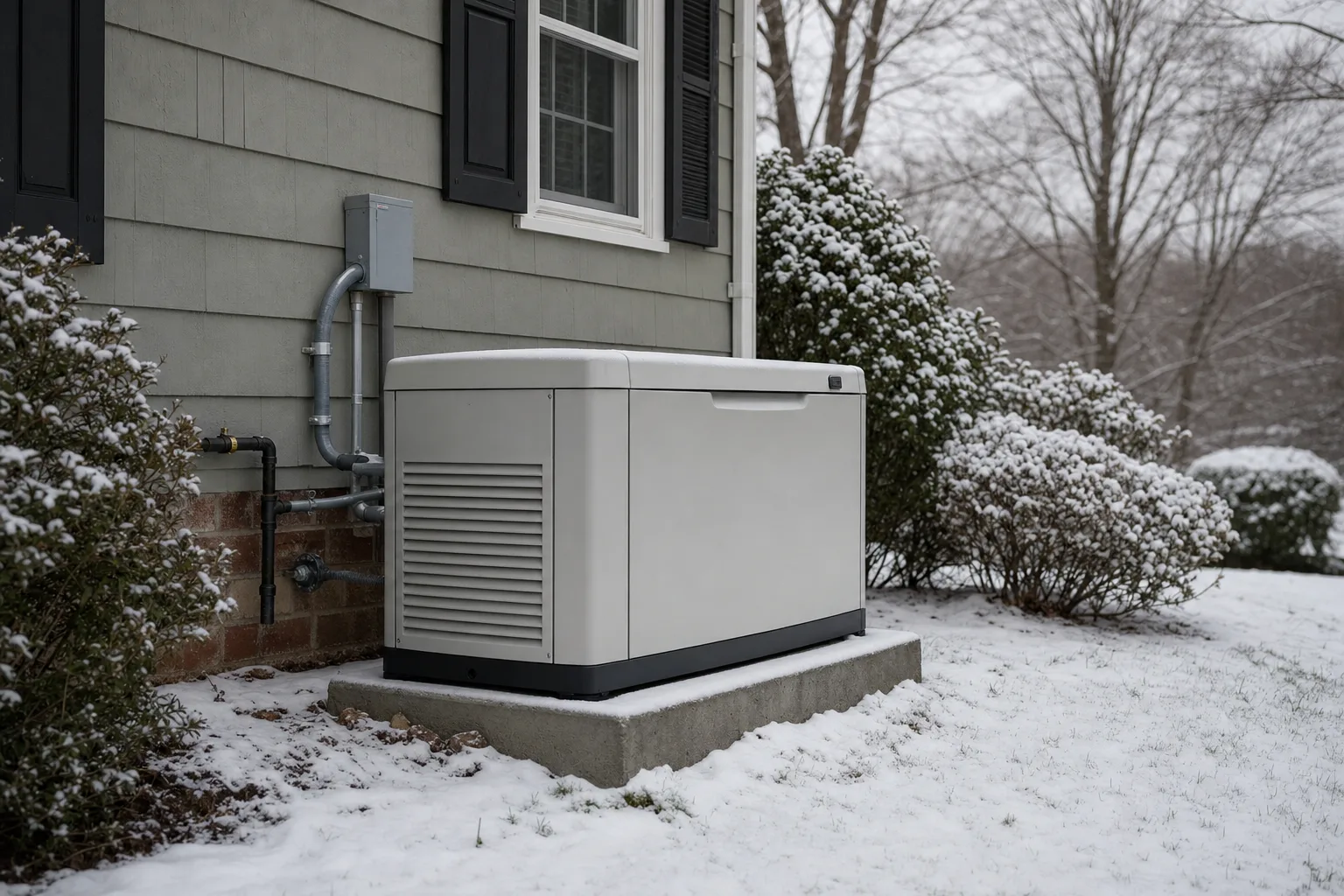
Standby Generator Installation in the Capital Region
I-ReM Electric & Construction installs Generac standby generators and portable generator connections for homes across Albany, Saratoga, Schenectady and the rest of the Capital Region. We size the generator to your home, install the transfer switch, coordinate the fuel connection and handle permits and inspections, so the power comes back on by itself the next time an ice storm takes down the lines.
Book Online Residential
Generator Services
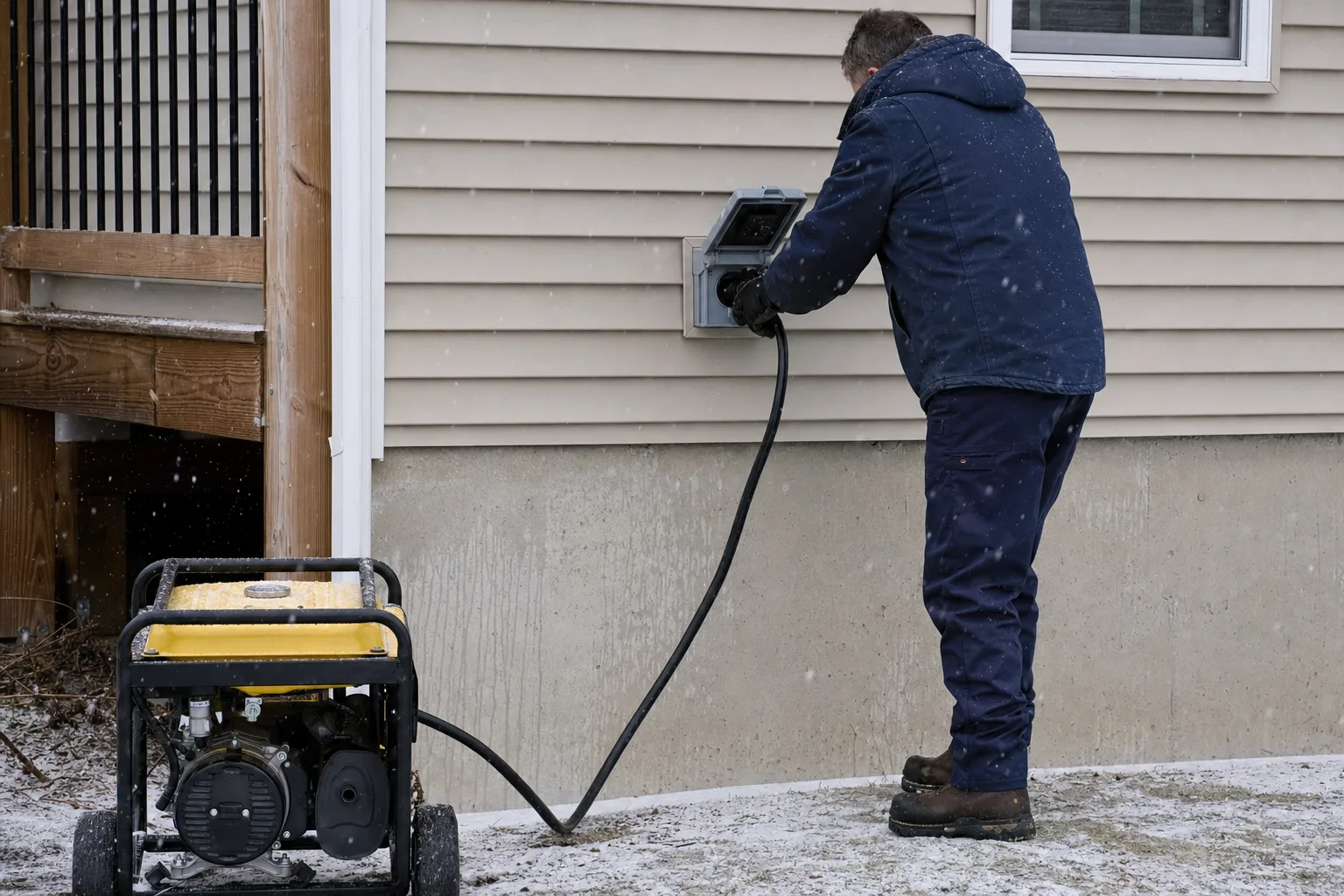
If a full standby system is more than you need, we also install portable generator inlets with a code-compliant interlock or transfer switch, so you can run essential circuits safely without extension cords through a window.
Standby vs. Portable Generators
Both options keep the lights on during an outage, but they work very differently. A standby generator is permanently installed outside, connected to your fuel supply and transfer switch, and starts on its own. A portable generator is cheaper upfront but has to be wheeled out, fueled and started by hand, usually in the middle of a storm.
Whichever you choose, the connection to your house is where safety is decided. A generator plugged into the house without a transfer switch or interlock can backfeed the utility lines and endanger line crews, and it can damage your equipment when the power comes back.
| Item | Standby Generator | Portable Generator + Inlet |
|---|---|---|
| Starts automatically | Yes, within seconds | No, started by hand |
| Fuel | Natural gas or propane, no refueling | Gasoline or dual fuel, refueled by hand |
| What it powers | Essential circuits or the whole house | Selected essential circuits |
| Connection | Automatic transfer switch | Inlet box with interlock or manual transfer switch |
| Upfront cost level | Higher | Lower |
| Best for | Frequent outages, well and sump pumps, working from home, medical needs | Occasional outages and tighter budgets |
How Big a Generator Does Your Home Need?
Generator size is set by what you want to run at the same time, not by the size of the house. We start with a load calculation: your panel size, heating type, well pump, sump pump, central air, range and any EV charger. The ranges below are typical starting points for Capital Region homes; your load calculation sets the final size.
| What You Want to Power | Typical Standby Size |
|---|---|
| Essentials: furnace or boiler, refrigerator, sump or well pump, lights, outlets | About 10 to 14 kW |
| Most of the home, including central air or a heat pump | About 18 to 22 kW |
| Whole home with larger loads such as electric ranges, multiple AC units or electric heat | About 22 to 26 kW, or larger |
- Load management modules can shed large loads like AC or an EV charger automatically, which often allows a smaller generator.
- Electric heat and large well pumps have the biggest effect on size.
- We size for starting loads too, since motors draw far more for a moment when they start.
Natural Gas, Propane and Where the Generator Goes
Most standby generators in the Capital Region run on natural gas from the existing service or on propane from a tank. Before installation we confirm that the gas meter can supply the generator alongside your furnace, water heater and range; if not, the gas utility may need to upgrade the meter. For propane, the tank size has to match the generator's run time needs, which your propane supplier coordinates with us.
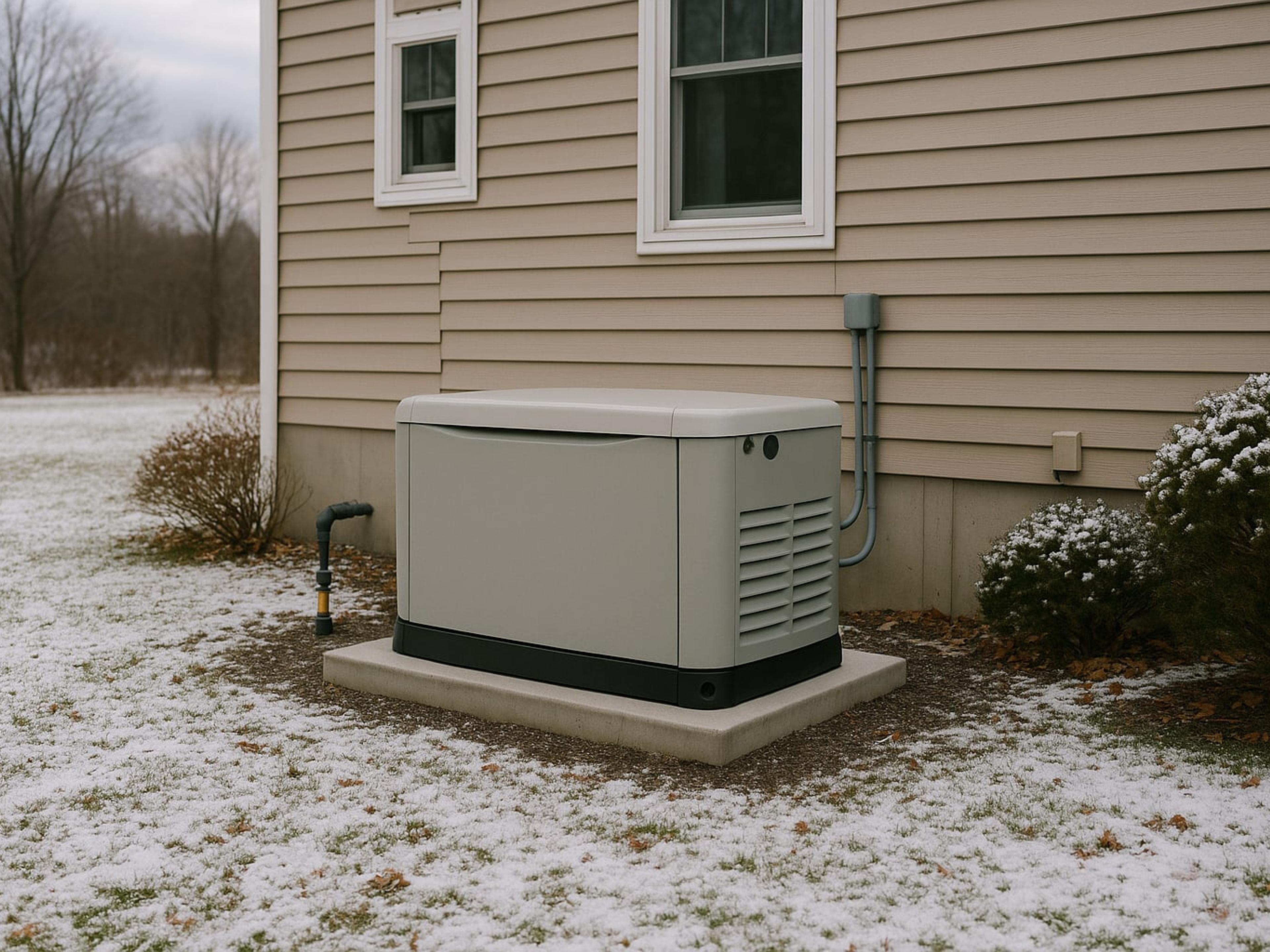
The generator sits on a pad outside, placed according to the manufacturer's and code clearance requirements from windows, doors, vents and property lines. That usually means a side or rear yard spot close to the gas meter and the electrical panel to keep runs short. We also look at snow: the unit should not sit where roof snow slides off or where drifts bury it.
Permits and Inspections
Standby generator installations involve electrical work, a gas connection and sometimes a zoning or building review for placement. Requirements vary between towns such as Saratoga Springs, Ballston Spa, Guilderland and the City of Albany. We file the electrical permit, coordinate the gas work and inspections, and schedule the utility where needed, so the system is approved before it goes into service.
Our Process
- Step 01
Site Visit & Load Calculation
We review your panel, fuel supply, heating and must-run equipment, then recommend a size and placement.
- Step 02
Written Estimate
You get an upfront, itemized price for the generator, transfer switch, electrical and fuel coordination.
- Step 03
Permits & Fuel Coordination
We file permits and coordinate with the gas utility or your propane supplier.
- Step 04
Installation
Pad, generator, transfer switch and wiring are installed, typically over one to two days.
- Step 05
Inspection & Startup
After inspection we start the system, test a simulated outage and walk you through operation.
- Step 06
Ongoing Service
Standby generators need annual maintenance; we can set up a service reminder.
What Drives the Cost
Every generator installation job is quoted after we see the site. These are the factors that move the scope up or down.
We give an itemized, upfront price after the site visit, so you know the full cost before anything is ordered.
| Factor | Lower Scope | Higher Scope |
|---|---|---|
| Generator size | Essential-circuit unit | Whole-house unit |
| Transfer switch | Essential-load switch | Whole-house switch with load management |
| Distance | Generator close to the panel and gas meter | Long electrical and gas runs |
| Fuel | Existing gas meter has capacity | Meter upgrade or new propane tank |
| Panel | Panel ready for the switch | Panel upgrade or relocation needed |
| Site work | Level, open yard | Grading, trenching or landscaping changes |
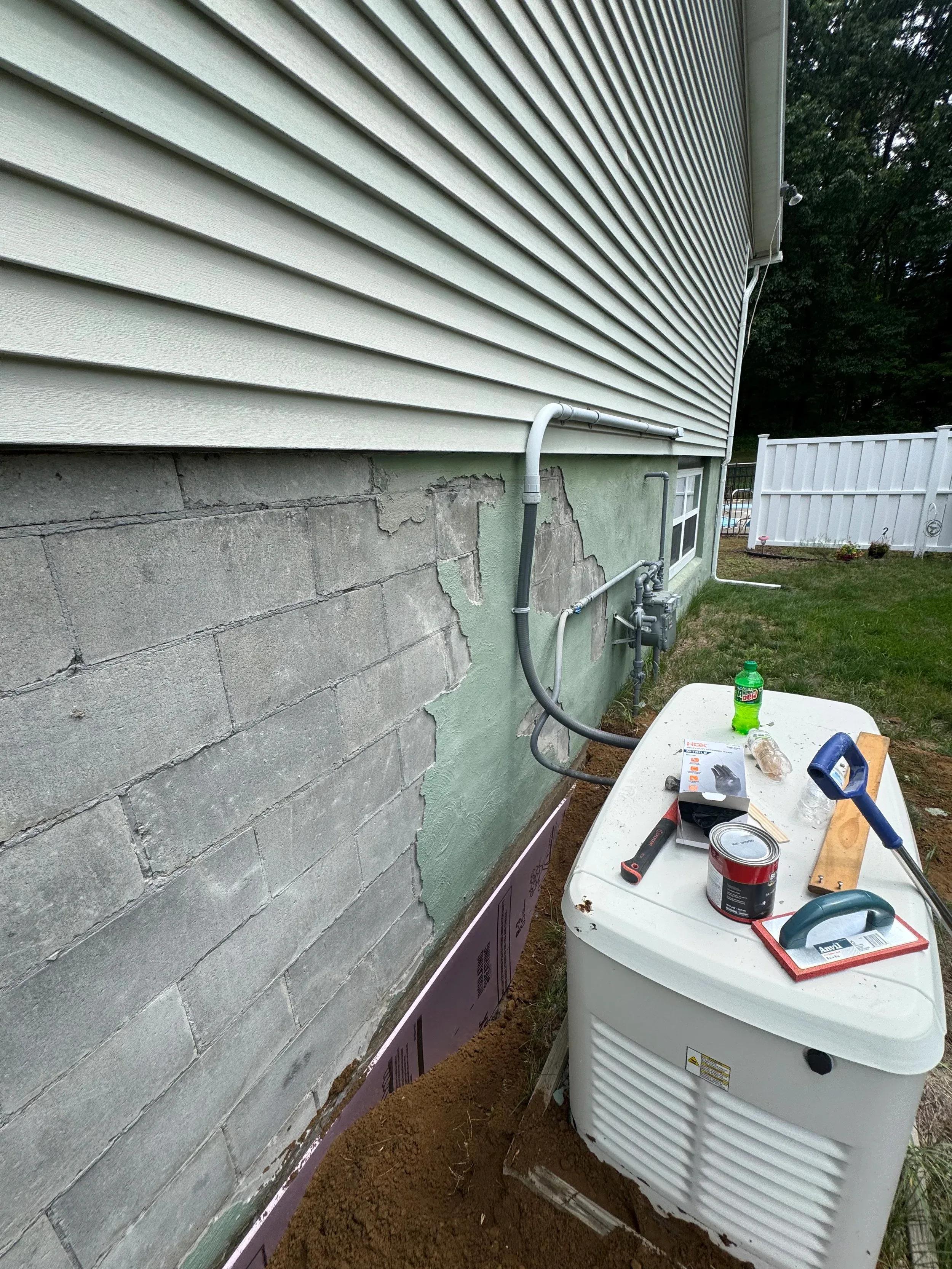
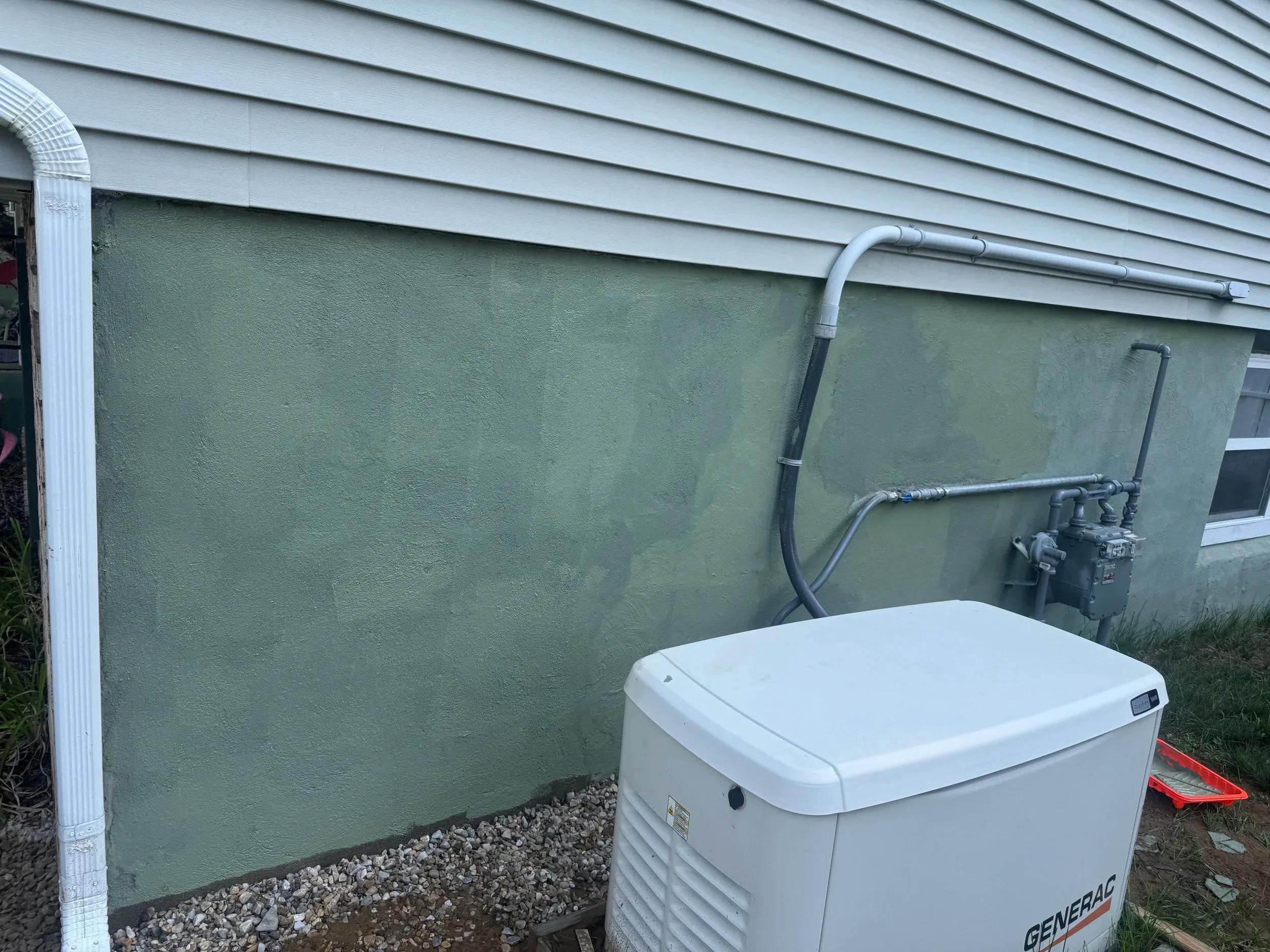
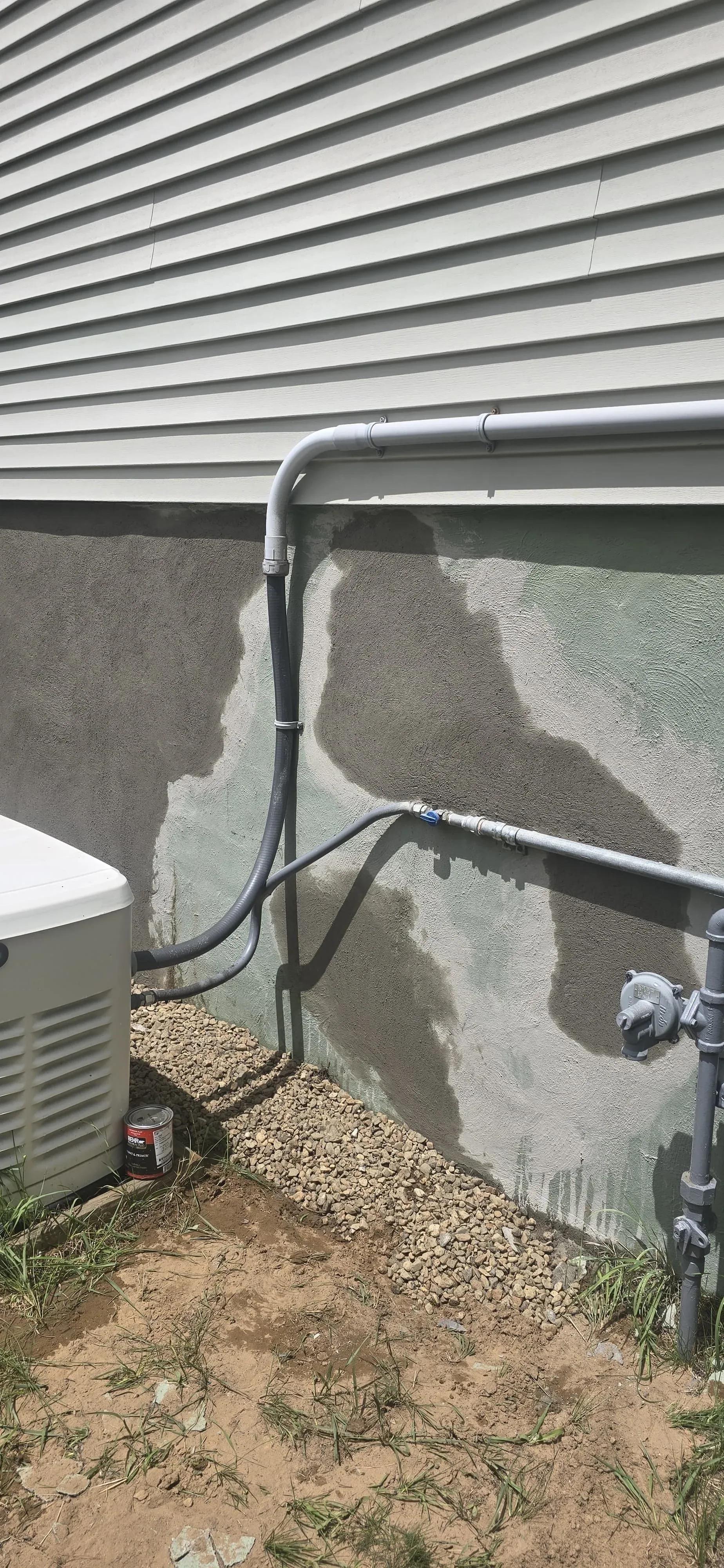
Recent Generator Installations
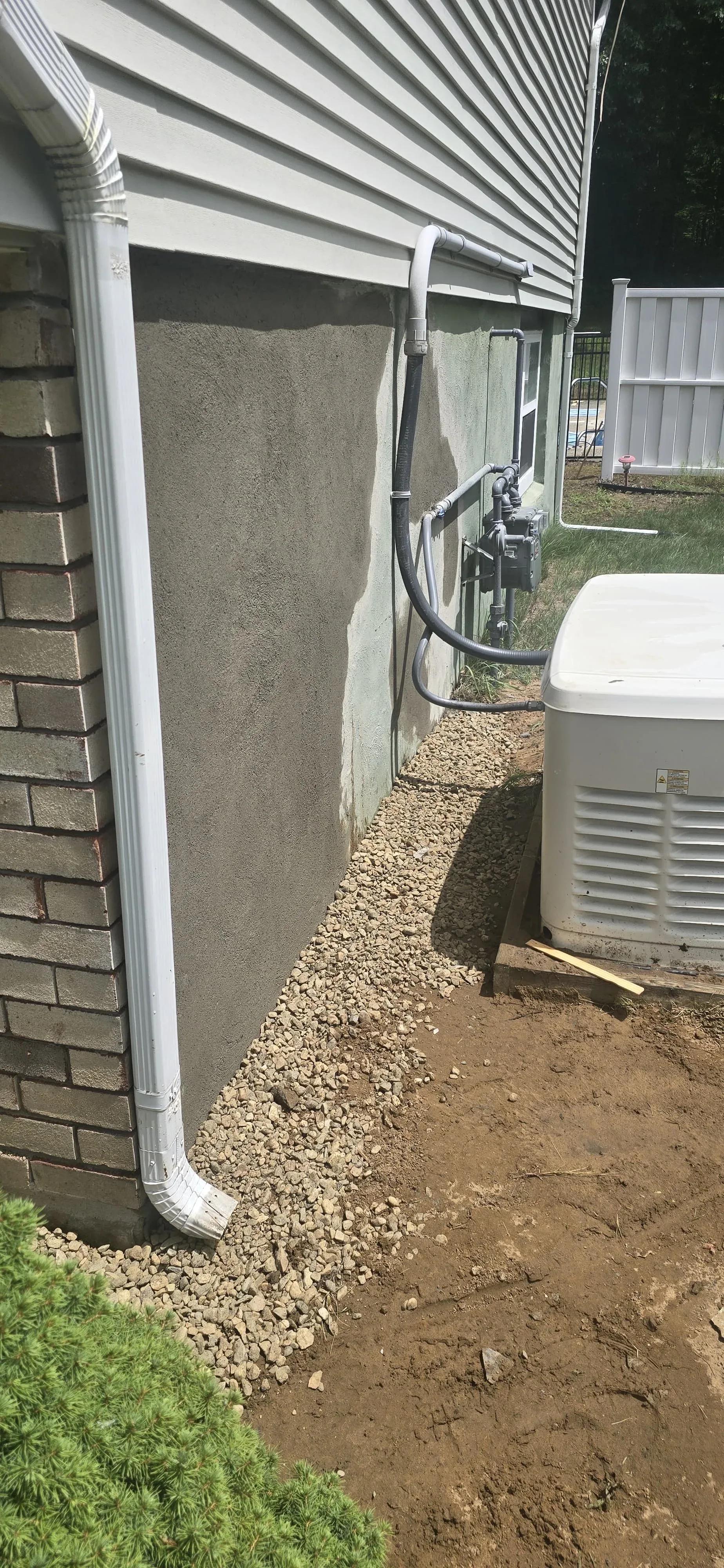
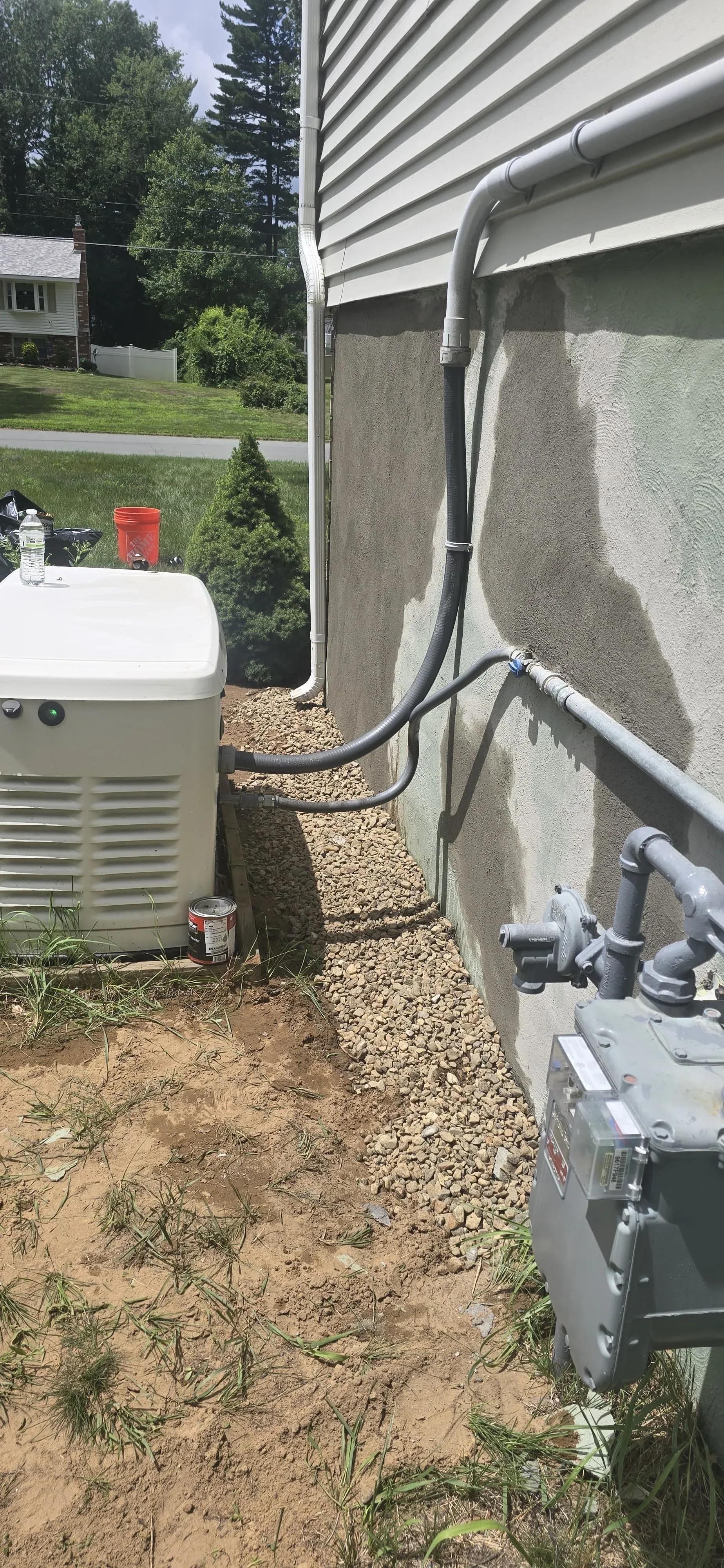
Real photos from I-ReM job sites around the Capital Region.
What Our Customers Say
Generator Installation FAQ
Helpful Reading
Get a Generator Quote
Tell us what you want to keep running during the next outage and we will size and price the right system.