24/7 Emergency Electrician in the Capital Region: What Counts as an Emergency and What to Do Before We Arrive
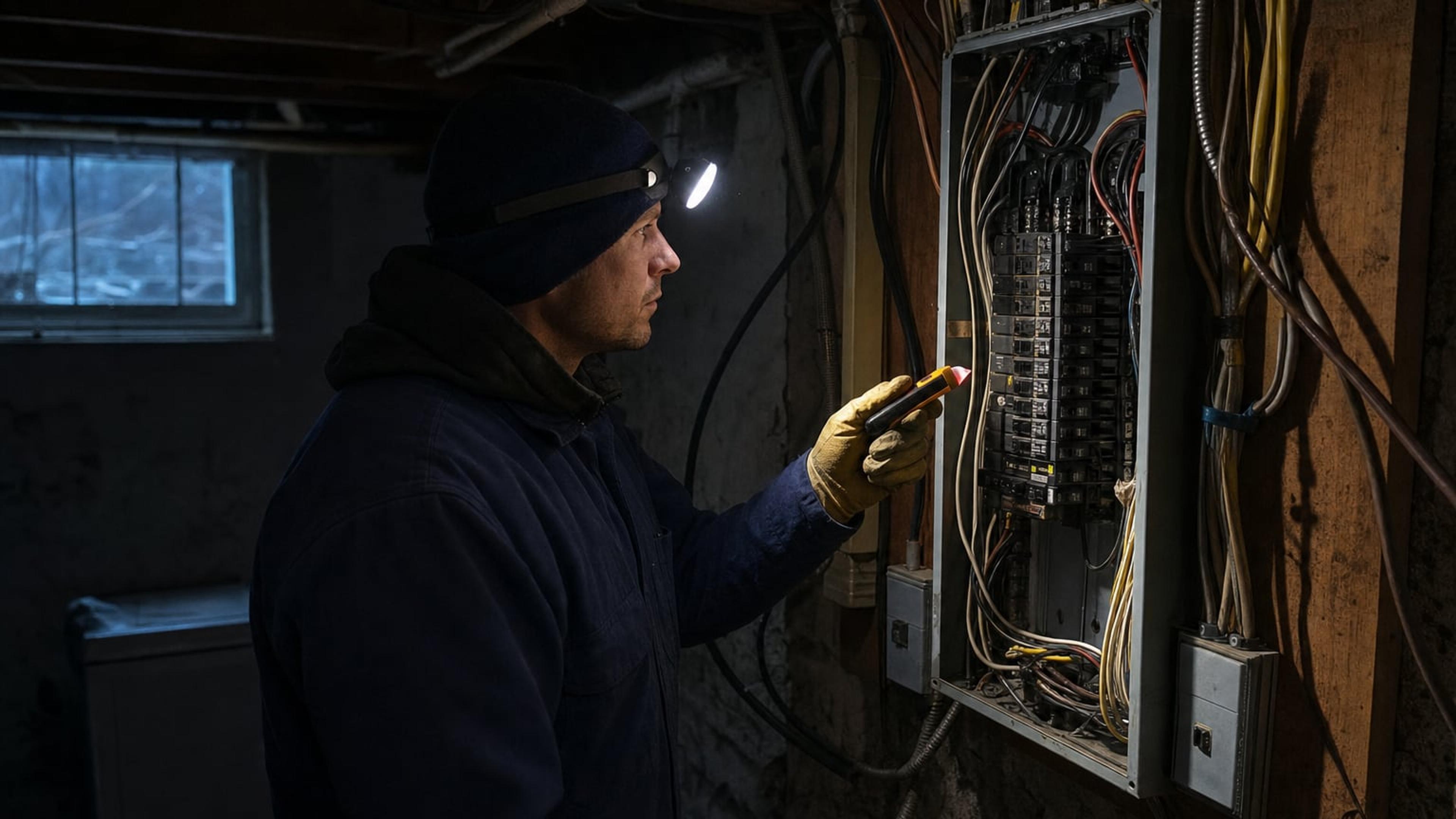
An electrical emergency is any situation where electricity is creating an immediate risk of fire, shock or serious damage: a burning smell from an outlet or panel, visible sparks or smoke, a panel that is hot or buzzing, water reaching wiring, a downed service line, or half the house suddenly losing power. In those cases, shut off power if you can do it safely, keep people away and call an emergency electrician right away.
Not every electrical problem needs a middle-of-the-night visit, though. A single dead outlet or a breaker that trips once after you ran a space heater can usually wait until morning. This guide helps Albany, Colonie, Clifton Park, Saratoga Springs, Schenectady and Troy homeowners tell the difference, and explains exactly what to do in the minutes before an electrician arrives.
Electrical Emergencies: Call Right Away
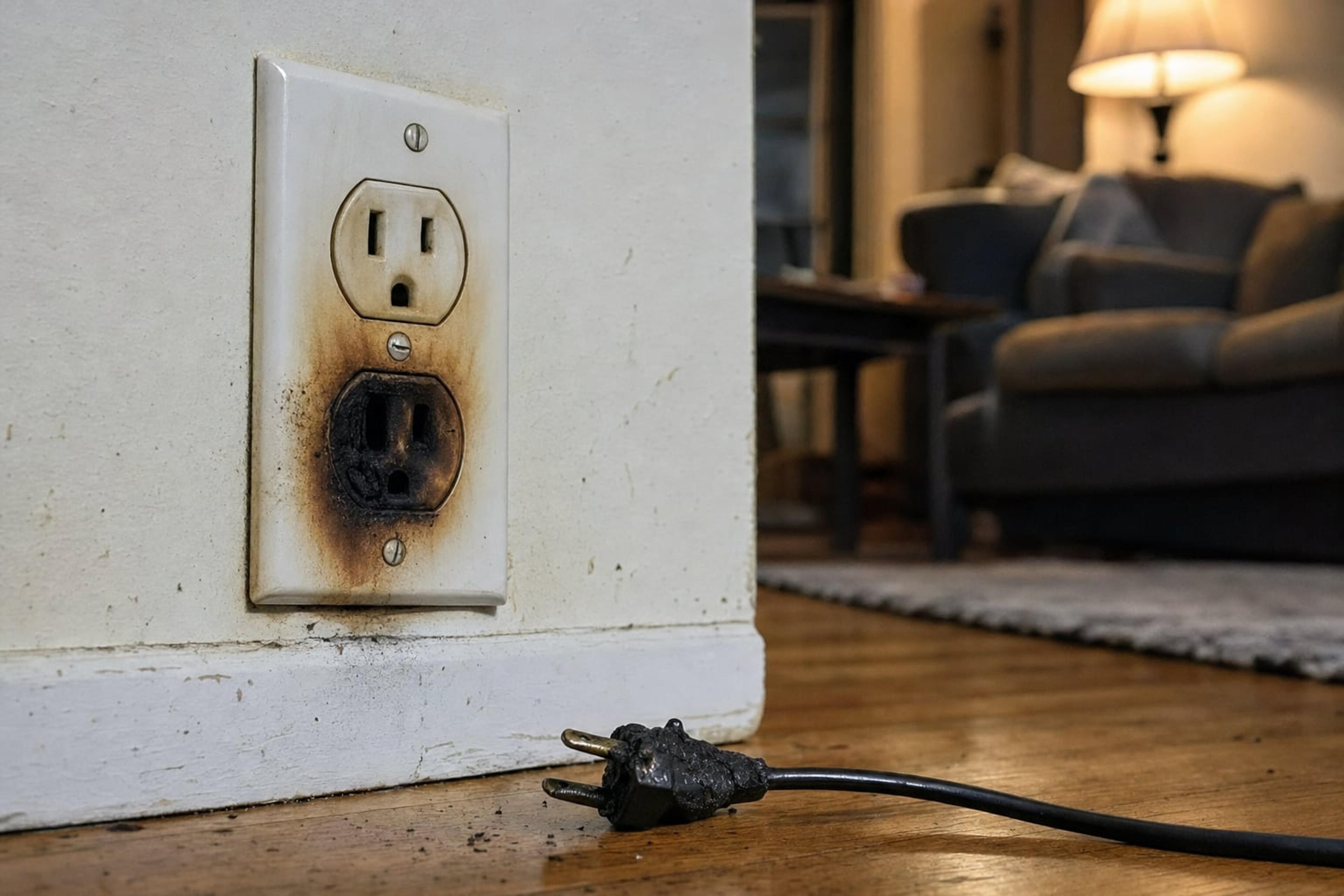
Treat these as emergencies. If there is fire or heavy smoke, leave the house and call 911 first.
- Burning smell from an outlet, switch, light fixture or the electrical panel, especially a sharp plastic or fishy odor
- Sparks, smoke or scorch marks at an outlet, switch, appliance or panel
- A hot or buzzing panel, or a breaker that is warm to the touch
- Partial power loss, where half the house is dark, lights are dim in some rooms and unusually bright in others, or appliances behave strangely
- Water and electricity together: a flooded basement near the panel, a leak running into a light fixture, or wet outlets
- A downed or damaged service line from the street, or a service mast pulled off the house by ice or a falling limb
- Shocks or tingles from a faucet, appliance, switch or outlet
- A breaker that trips instantly every time you reset it
Partial power loss deserves special attention. When half the house goes dark or lights flicker between dim and bright, it can mean a lost neutral or a problem at the service connection. That can send the wrong voltage to appliances and electronics, and it can overheat connections. Turn off sensitive electronics and call.
What Can Usually Wait Until Business Hours
These problems are worth fixing but are rarely dangerous overnight, as long as there is no heat, smell or sparking:
- One outlet or a small group of outlets that stopped working, often a tripped GFCI upstream
- A breaker that tripped once under a heavy load and stayed on after reset
- A light fixture or switch that stopped working
- Flickering in one lamp that goes away with a new bulb
- Planning work such as adding circuits, an EV charger or a generator
If you are unsure, call. We would rather talk you through a situation that turns out to be minor than have you wait on one that is not.
What to Do Before the Electrician Arrives
These steps keep you safe without putting you in contact with live equipment.
1. Put People First
Move everyone away from the affected area. Keep children and pets out of the room. If anyone has received a shock, do not touch them while they may still be in contact with the source; cut power first, then call 911.
2. Shut Off Power, If It Is Safe
If the problem is on one circuit, switch that breaker to OFF. If you smell burning and do not know which circuit is involved, or the panel area is wet, smoking or hot, do not touch the panel. Never stand in water to reach a breaker.
3. Unplug What You Can Reach Safely
Unplug appliances and electronics on the affected circuit, as long as the outlet is not scorched, smoking or hot. During partial power loss, unplug computers, TVs and other sensitive electronics.
4. Do Not Try These Fixes
- Do not remove the panel cover
- Do not hold a breaker in the ON position or tape it on
- Do not replace a breaker or fuse with a larger size
- Do not touch a downed line or anything it is resting on, including fences and gutters
- Do not use water on an electrical fire; use a Class C rated extinguisher only if it is small and you can do it safely
5. Note What Happened
Write down what you saw, smelled or heard, which breaker tripped, what was running at the time, and when it started. That information helps the electrician find the cause faster.
6. Call the Right Number
- Fire, smoke you cannot locate, or someone injured: call 911
- Downed service line or damage on the utility side: call National Grid or your utility's emergency line, and stay at least 30 feet away
- Problems inside the home or at the panel: call an emergency electrician
The Electrical Safety Foundation International (ESFI) publishes home electrical safety guidance that covers many of these same warning signs.
Common Capital Region Emergency Calls by Season
Our region's weather shapes the emergencies we see:
- Winter: space heaters overloading older circuits, ice and fallen limbs damaging service masts, generators connected without a transfer switch, and frozen pipes that leak onto wiring
- Spring: snowmelt and heavy rain flooding basements near the panel and reaching outdoor outlets
- Summer: thunderstorm surges, window AC units overloading circuits, and lightning damage
- Fall: the first cold snap, holiday lighting overloads and wet outdoor connections
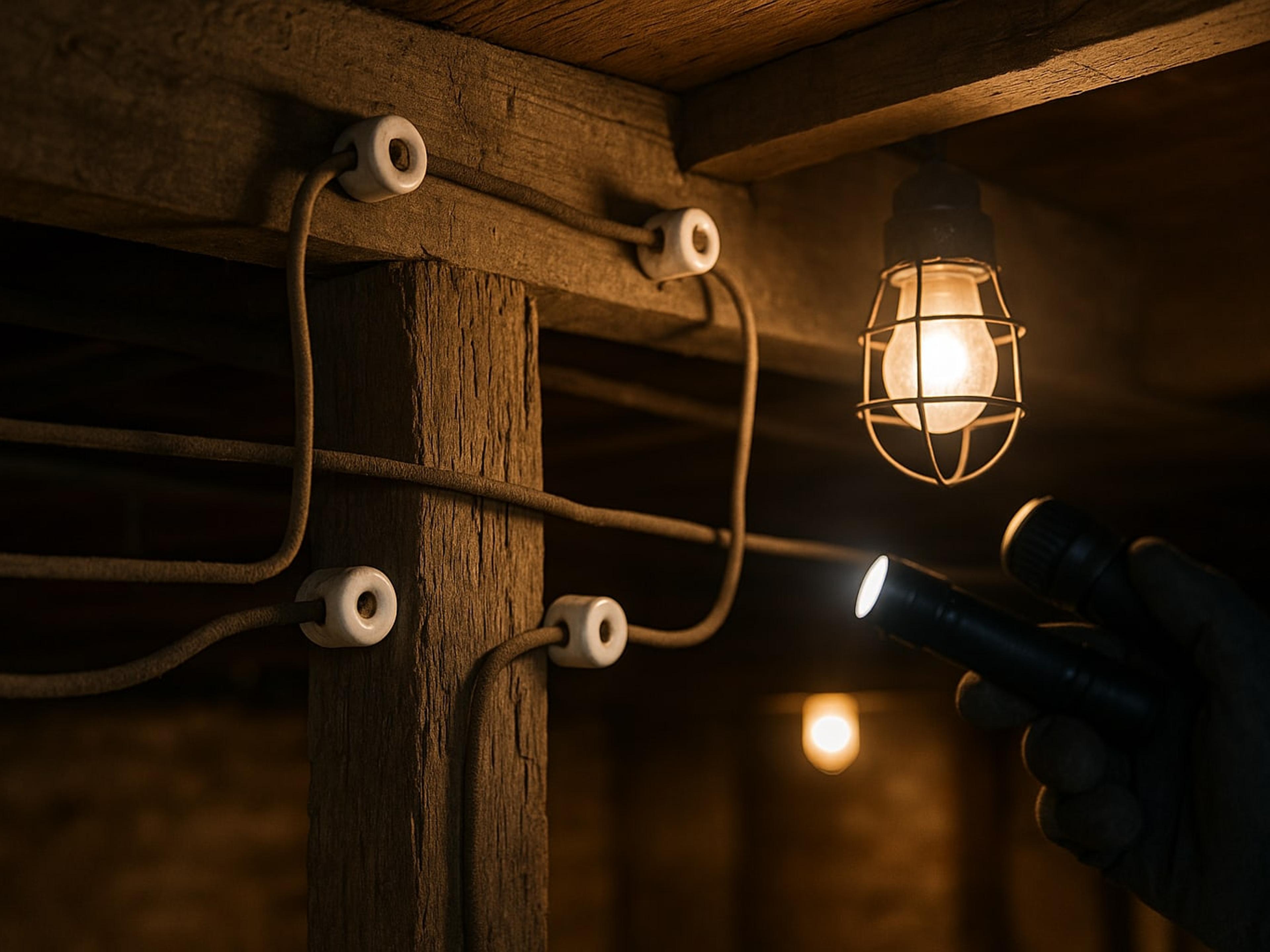
Older housing stock in Albany's Pine Hills and Center Square, Troy's Lansingburgh and Schenectady's Stockade often has original wiring and panels that are less forgiving of these seasonal loads. If your home has knob-and-tube wiring or a fuse box, emergencies tend to come with less warning.
How I-ReM Responds to an Emergency Call
When you call our 24/7 line, here is what to expect:
- Triage on the phone. We ask what you are seeing and walk you through making the area safe.
- Dispatch. A technician heads out with the tools and common parts needed to diagnose and make safe.
- Make it safe first. The first priority is isolating the hazard so the rest of the home can have power again where possible.
- Find the cause. We trace the problem to the outlet, connection, breaker, panel or service equipment involved.
- Clear options. You get an explanation of what failed and what the repair involves before larger work begins.
I-ReM Electric & Construction is a fully insured electrical contractor serving Albany, Colonie, Guilderland, Clifton Park, Saratoga Springs, Schenectady, Troy and the surrounding Capital Region. See our service areas for the full list of communities.
Preventing the Next Emergency
Many emergency calls trace back to warning signs that were present for months. Watch for:
- Breakers that trip more often than they used to, a common pattern we cover in why your breaker keeps tripping
- Outlets that feel warm, have loose plugs or show discoloration
- Lights that dim when a large appliance starts
- A panel that is full, outdated or showing rust
- Extension cords used as permanent wiring
An electrical safety check finds these issues while they are still routine repairs instead of after-hours calls.
Call Now: (518) 941-2999
If you smell burning, see sparks, have a hot panel or have lost power to part of the house, do not wait.
Electrical emergency right now? Call now: (518) 941-2999 or visit our 24/7 emergency electrical service page. For businesses, see commercial emergency service.
Frequently Asked Questions About Electrical Emergencies
Is a burning smell from an outlet an emergency?
Yes. A burning or hot plastic smell usually means a connection is overheating. Turn off the breaker for that circuit if you can do it safely, unplug what you can reach without touching a hot or scorched outlet, and call an electrician right away. If you see smoke or flames, leave and call 911.
Why is half of my house without power?
Losing power to part of the house, or seeing some lights dim while others get brighter, can mean a lost neutral, a failing main breaker or a problem at the service connection. It can damage appliances and overheat wiring. Turn off sensitive electronics, check whether neighbors have the same issue, and call your utility and an electrician.
Should I reset a breaker that keeps tripping at night?
Reset it once by pushing it fully OFF and then ON. If it trips again immediately, or you notice heat, smell or buzzing, leave it off and call. A breaker that trips instantly often points to a short circuit.
What should I do if a power line is down near my house?
Stay at least 30 feet away, keep others away, and call your utility's emergency number and 911. Never touch the line or anything it is touching. If the service mast on your house was damaged, an electrician will need to repair your side before the utility can reconnect.
Do you respond to emergencies on weekends and holidays?
Yes. Our emergency line is answered 24/7, including nights, weekends and holidays, across the Capital Region.
Related Articles
Have a Project In Mind?
Tell us about your project and we'll follow up with an estimate.