
Whole-House Surge Protection: Is It Worth It for Capital Region Homes? (Winter Storm Edition)
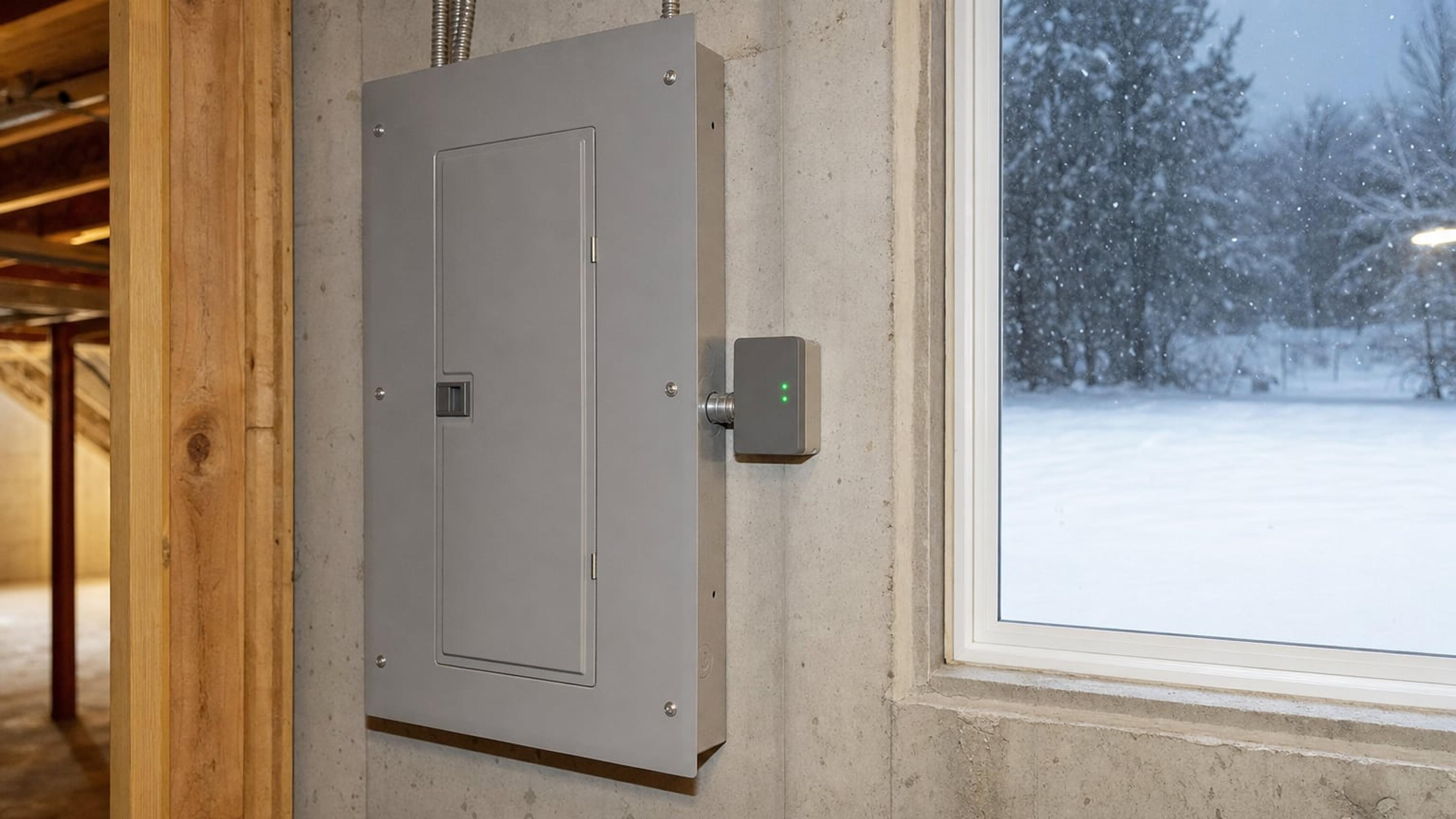
For most Capital Region homes, yes. A whole-house surge protector is a Type 2 surge protective device (SPD) installed at the electrical panel. It diverts voltage spikes from storms, utility switching and power restoration away from every circuit in the house, protecting hardwired equipment that plug-in strips cannot reach: furnace and boiler controls, heat pumps, well pumps, kitchen appliances, garage door openers and EV chargers. It costs far less than replacing a single modern appliance control board, and it works best paired with quality point-of-use surge strips for computers and home theater gear.
Winter in upstate New York brings ice storms, heavy wet snow on power lines and frequent outages, and every outage ends with power being restored, often with spikes along the way. This guide explains what whole-house surge protection does, what it does not do, and how to decide whether your home needs it.
What a Whole-House Surge Protector Does
A surge is a brief spike in voltage, lasting millionths of a second to a few milliseconds. Large surges can destroy electronics instantly. Smaller, repeated surges degrade circuit boards over time, which is why appliances sometimes fail early for no obvious reason.
A Type 2 SPD connects to your panel through a dedicated breaker. When voltage rises above a safe threshold, the device diverts the excess energy to ground before it travels through the branch circuits to your equipment.
What It Protects
- Furnace, boiler and heat pump control boards
- Central air conditioners and mini-splits
- Refrigerators, ranges, dishwashers, washers and dryers with electronic controls
- Well pumps, sump pumps and water heater controls
- Garage door openers, smart thermostats, doorbells and security systems
- LED lighting and dimmers
- EV chargers and generator transfer switches
What It Does Not Do
- It does not protect against a direct lightning strike to the house
- It does not replace point-of-use protection for sensitive electronics; surges can also start inside the home
- It does not protect phone, cable or coaxial lines unless those are also protected where they enter the house
- It does not prevent outages or brownouts
Where Surges Come From in Capital Region Homes
Winter Storms and Power Restoration
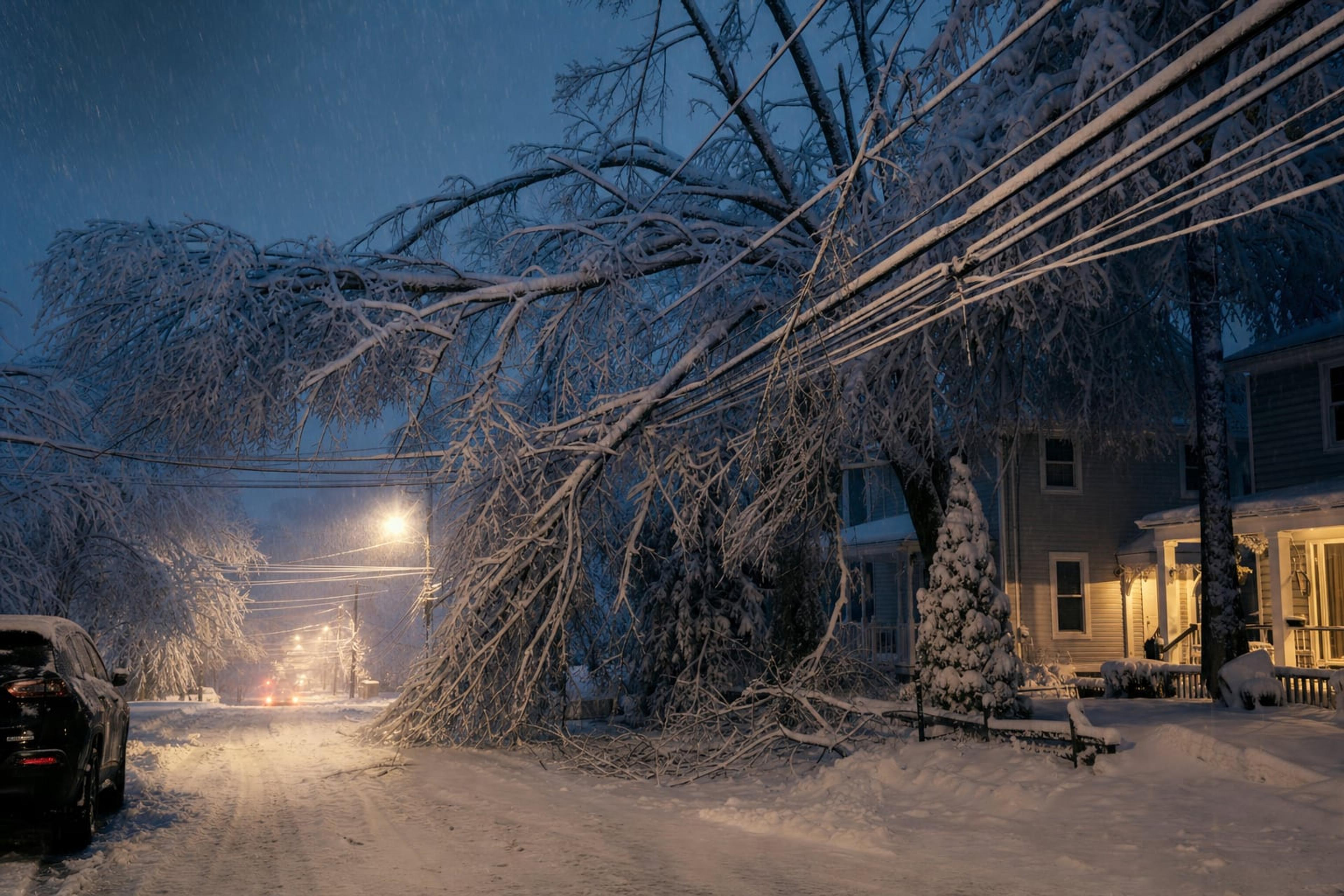
Ice and heavy snow bring down limbs and lines across Guilderland, Delmar, Latham and the rest of the region. When crews restore power, switching and reconnection can produce voltage spikes. Generators started or switched improperly can also create surges.
Summer Thunderstorms
Lightning that strikes power lines or the ground nearby, even some distance away, can send a surge into homes along the same lines.
Utility Switching
Routine grid switching and equipment faults on the utility side cause surges year-round.
Inside the House
Most surges actually originate inside the home, when large motors and compressors cycle on and off: air conditioners, heat pumps, refrigerators, well pumps and furnace blowers. These smaller surges are a major reason for layered protection.
Type 1, Type 2 and Type 3: What the Labels Mean
| Type | Where It Installs | What It Covers |
|---|---|---|
| Type 1 | At the service entrance, on the line side of the main breaker or at the meter | External surges entering from the utility |
| Type 2 | At the main panel or a subpanel, on its own breaker | The whole house's branch circuits; the most common whole-house choice |
| Type 3 | At the point of use (plug-in strips, receptacle SPDs) | Individual devices; residual and internal surges |
Look for devices tested to UL 1449, the safety standard for surge protective devices. Industry groups such as IEEE and NEMA recommend a layered approach: a whole-house device at the panel plus point-of-use protection for sensitive electronics.
What About "EMP" Devices?
Some panel-mounted products are marketed for EMP protection. For a typical home, what matters is that the device is a UL 1449 listed Type 1 or Type 2 SPD with appropriate ratings for your panel, installed with short, direct leads and a dedicated breaker. We can install the device you prefer as long as it is properly listed for the application.
Is It Required by Code?
Newer editions of the National Electrical Code require surge protection for dwelling units when the electrical service is installed or replaced. Whether that applies to your project depends on the code edition your municipality enforces, so ask your electrician during any panel upgrade or replacement. Even where it is not required, adding an SPD during a panel upgrade is simple because the panel is already open.
What Drives Installation Cost
We do not quote prices in articles, but these factors shape the scope of a whole-house surge protector installation:
| Factor | Lower Scope | Higher Scope |
|---|---|---|
| Panel condition | Modern panel with open breaker spaces | Full or outdated panel needing changes |
| Device type | Standard Type 2 SPD | Type 1 at the service plus Type 2 at panels |
| Number of panels | Single main panel | Main panel plus subpanels or detached garage |
| Timing | Added during a planned panel upgrade | Standalone visit |
| Additional lines | Power only | Power plus coaxial, phone and network line protection |
The installation itself is usually quick when the panel has space. It is a job for an electrician, since it involves working inside the energized panel.
Is Whole-House Surge Protection Worth It? A Quick Checklist
It is especially worth it if your home has:
- A heat pump, high-efficiency furnace or boiler with electronic controls
- A well pump or sump pump you rely on
- Newer kitchen appliances with circuit boards
- An EV charger, standby generator or solar system
- Smart home devices, security systems or home office equipment
- A history of outages, flickering or appliances that failed early
- Overhead service lines with mature trees nearby
If several of those apply, a whole-house device is a small investment compared with the equipment it protects. Planning for outages too? Our guide on whole-house generator installation explains backup power options, and EV charger installation is another load worth protecting.
Surge Protection in Guilderland, Delmar and Latham
Guilderland, Delmar and Latham have many homes on tree-lined streets with overhead service lines, the kind of setting where ice storms and fallen limbs lead to outages and restoration surges. Many of these homes have also added heat pumps, new appliances and EV chargers in recent years, which means more electronics on the line than when the panel was installed.
I-ReM Electric & Construction is a fully insured electrical contractor installing whole-house surge protectors, power conditioners and panel upgrades across Guilderland, Delmar, Latham and the rest of the Capital Region.
Add Surge Protection to Your Panel
The best time to add surge protection is before the next storm. If you are already planning panel work, an EV charger or a generator, add it to the same visit.
Want your home protected before winter storms? Add surge protection to your panel and we will check your panel and recommend the right device.
Frequently Asked Questions About Whole-House Surge Protection
Is a whole-house surge protector worth it?
For most homes with modern HVAC equipment, appliances with circuit boards, well pumps or EV chargers, yes. It protects hardwired equipment that plug-in surge strips cannot, and its cost is small compared with replacing even one damaged control board.
Do I still need surge strips with a whole-house surge protector?
Yes, for sensitive electronics like computers, TVs and networking equipment. A whole-house device handles large surges at the panel, while point-of-use protectors handle residual and internally generated surges. Together they provide layered protection.
Can a whole-house surge protector stop lightning damage?
It helps with surges from nearby lightning that travel along power lines, but no surge protector can fully protect against a direct strike to the house. Lightning protection systems address direct strikes.
How long does a whole-house surge protector last?
Surge protectors wear with each surge they absorb. Most have indicator lights that show when protection is still active. Check the lights periodically, especially after major storms, and replace the device if they indicate it has reached the end of its life.
Can I install a whole-house surge protector myself?
It is not a DIY project. Installation involves working inside the electrical panel, adding a breaker and making connections near energized parts. Have an electrician install it to ensure proper connections and safety.
Related Articles
Have a Project In Mind?
Tell us about your project and we'll follow up with an estimate.