
Knob-and-Tube Wiring in Older Albany & Troy Homes: Risks, Insurance Rules, and Replacement Cost
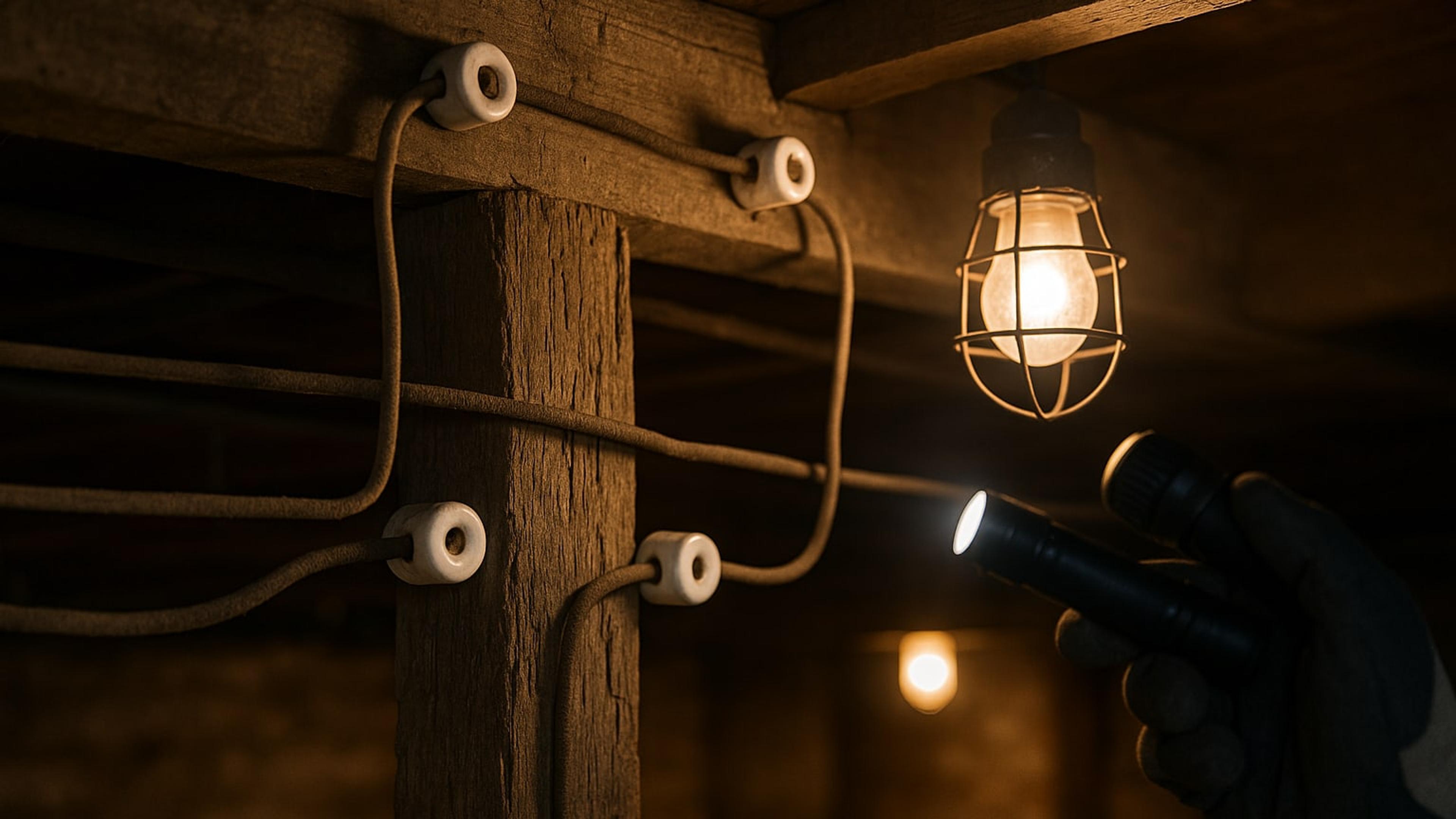
Walk through the basement or attic of an older home in Troy's Lansingburgh neighborhood, Albany's Center Square or Schenectady's Stockade, and you may still see it: single wires stretched between white ceramic knobs and threaded through ceramic tubes in the joists. That is knob-and-tube wiring, the standard method for wiring homes from roughly the 1880s through the 1940s.
Many of these systems have outlived the people who installed them. Some are still carrying current today, often alongside newer wiring that was added in pieces over the decades. If you are buying, selling, insuring or renovating an older Capital Region home, knob-and-tube is likely to come up.
This guide explains why knob-and-tube wiring is a concern, how insurers typically treat it, what drives replacement cost, and how a rewire is planned in an occupied older home.
What Knob-and-Tube Wiring Is
Knob-and-tube wiring runs the hot and neutral conductors as separate wires, held away from wood framing by ceramic knobs and passed through framing members inside ceramic tubes. Insulation was usually rubber covered with cloth. Connections were often soldered and wrapped, and the system was designed to shed heat into open air.
For its time it was a reasonable design. The problems come from age, from how homes are used today, and from what has been done to the wiring since it was installed.
Is Knob-and-Tube Wiring Dangerous?
Knob-and-tube wiring is not automatically dangerous simply because it is old, but it carries several risks that grow with time:
- No ground conductor. It cannot provide a grounding path, so three-prong outlets on these circuits are either ungrounded or improperly adapted.
- Brittle insulation. Rubber and cloth insulation dries out, cracks and falls away, especially where wires were exposed to heat in attics.
- Buried in insulation. The system relies on open air for cooling. Blown-in or batt insulation added later can trap heat around the wires.
- Amateur modifications. Decades of add-ons, splices into newer cable and overfused circuits are common and often the most dangerous part.
- Not built for modern loads. Space heaters, kitchen appliances, window air conditioners and electronics draw far more current than these circuits were designed for.
- Wet locations. It offers no protection in kitchens, bathrooms, basements and outdoors, where GFCI protection is expected today.
The NFPA and electrical safety organizations consistently list old, damaged or overloaded wiring among the leading contributors to home electrical fires. A wiring inspection tells you whether your system is in serviceable condition, partly disconnected, or actively at risk.
How Insurers Treat Knob-and-Tube in New York
Insurance is often what turns knob-and-tube from a background issue into an urgent one. Practices vary by company, but homeowners in the Capital Region commonly run into these situations:
- Declined policies: some insurers will not write a new homeowners policy on a house with active knob-and-tube wiring.
- Inspection requirements: others require a written evaluation from an electrician confirming the condition and how much of the system remains in use.
- Conditions or surcharges: a policy may be issued on the condition that the wiring is replaced within a set time, or with different terms.
- Problems at sale: buyers' lenders and insurers often raise the issue during a home inspection, which can delay closing.
If you are shopping for insurance or buying an older home, ask the insurer early what they require. A clear written scope from an electrician, showing what is active, what has been abandoned and what will be replaced, often makes the conversation easier.
Signs Your Home Still Has Active Knob-and-Tube
You may have knob-and-tube wiring in use if you notice:
- Ceramic knobs and single wires in the basement, attic or unfinished walls
- Two-prong outlets throughout most of the house
- Cloth-covered wiring at outlets, switches or light fixtures
- A small fuse box or an old panel with few circuits
- Lights that dim when appliances start, or warm switch plates
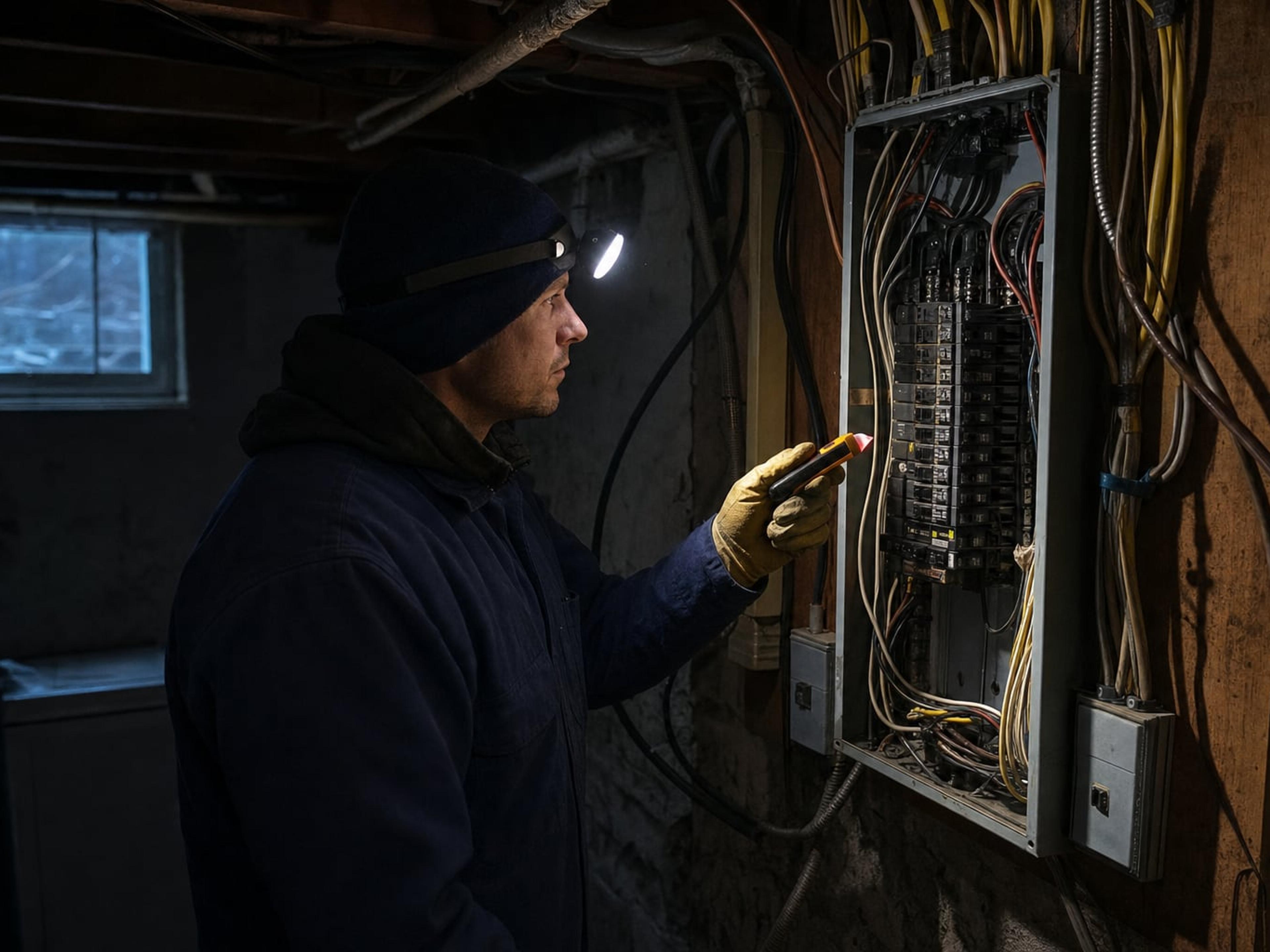
Seeing old knobs does not always mean the wiring is still energized. In many homes the circuits were partly replaced and the old wiring was abandoned in place. An electrician can trace which circuits are live.
What Drives Knob-and-Tube Replacement Cost
There is no single price for a rewire because every old house is different. The table below shows how common scopes compare and what moves the cost.
| Project Scope | Relative Cost | Main Cost Drivers |
|---|---|---|
| Inspection and written condition report | Lowest | Tracing live circuits, documenting condition for insurer or buyer |
| Partial rewire of remaining active circuits | Moderate | Number of active circuits, access from basement and attic |
| Whole-house rewire with good attic and basement access | Moderate to high | Square footage, number of rooms, outlet and fixture count |
| Whole-house rewire in finished plaster walls and multi-story homes | Highest | Plaster openings and patching, balloon-frame routing, multiple floors |
| Rewire combined with panel or service upgrade | Highest | New panel or service, grounding, utility coordination |
Pricing is project-specific. A walkthrough with access to the basement, attic and a few rooms is the best way to get an accurate number.
The factors that most often change the cost are:
- Wall finish: plaster and lath takes more care to open and patch than drywall.
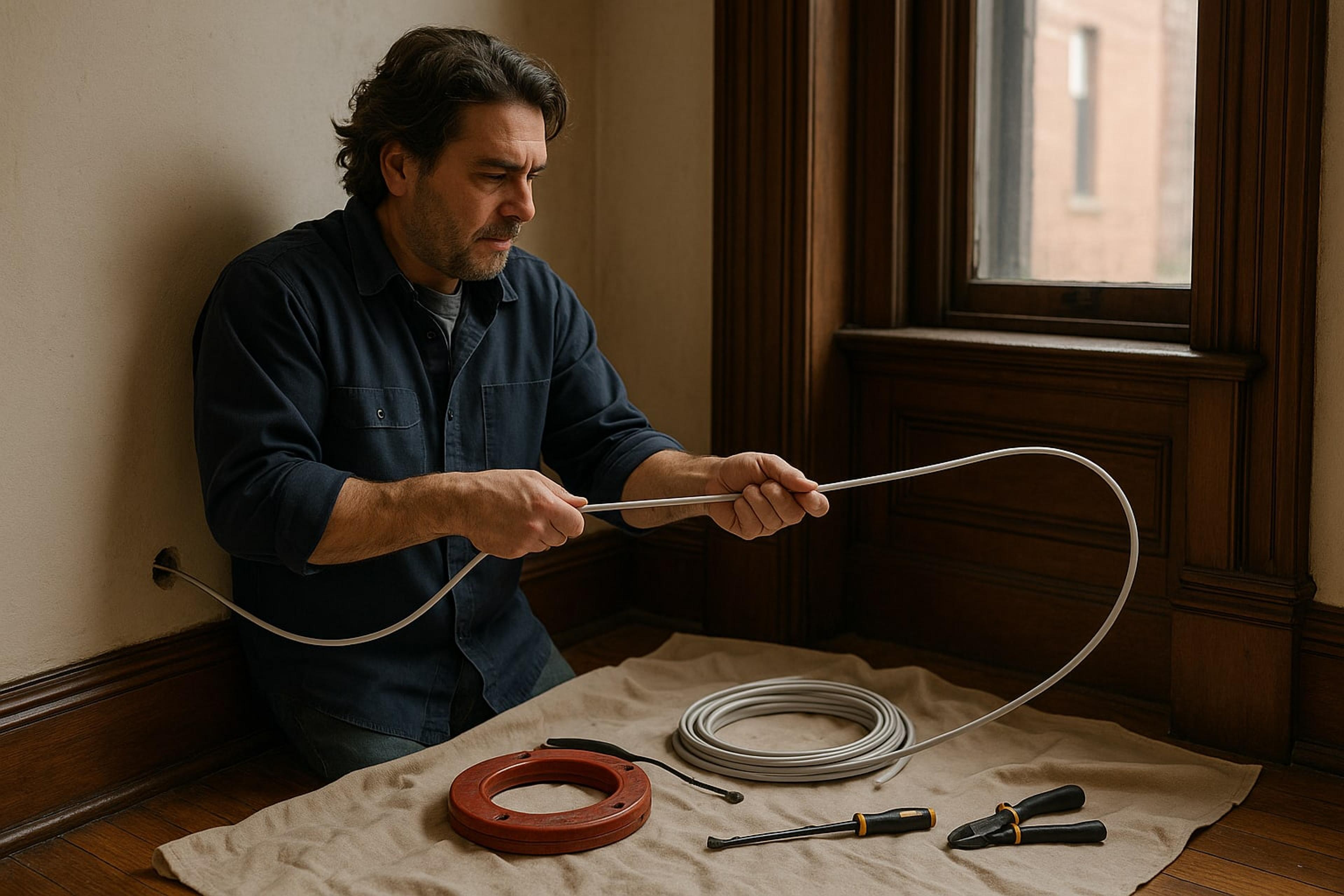
- Access: open basements and attics make it easier to route new cable without opening walls.
- House style: balloon-framed homes, common in older Troy and Albany houses, can make vertical runs easier; additions and renovations can make them harder.
- Occupancy: working around furniture and daily life takes more time than an empty house.
- Panel condition: many homes with knob-and-tube also need a panel or service upgrade.
- Code upgrades: a rewire brings circuits up to current requirements, including grounding, GFCI and AFCI protection, and adequate kitchen and bathroom circuits.
How a Knob-and-Tube Rewire Is Staged
Rewiring an occupied older home rarely means gutting it. A typical project follows these steps:
1. Inspection and circuit mapping. Identify every live knob-and-tube circuit and what it feeds. 2. Panel evaluation. Confirm the panel and service can support the new circuits, or plan an upgrade first. 3. Room-by-room plan. Group work by floor or area so each part of the house is without power for as short a time as possible. 4. Fishing new cable. Route new grounded cable through basements, attics and small access openings rather than tearing out walls. 5. Disconnecting old circuits. De-energize and disconnect the knob-and-tube so it cannot be reconnected accidentally. 6. Patching. Close access openings; plaster patches can be finished to match. 7. Inspection and documentation. Complete the required inspection and provide paperwork you can share with your insurer.
Many homeowners stage a rewire over time, starting with kitchens, bathrooms and any circuits in insulated attics, which carry the highest risk.
Albany, Troy and Schenectady Neighborhoods With Older Wiring
The Capital Region has one of the oldest housing stocks in New York. Row houses in Troy's Lansingburgh and downtown, brownstones and attached homes in Albany's Center Square, Pine Hills and Hudson/Park, and historic homes in Schenectady's Stockade frequently still contain knob-and-tube wiring or a mix of old and newer systems.
Historic district rules may also affect exterior work, so planning ahead helps when a rewire is combined with other renovation.
I-ReM Electric & Construction is a fully insured electrical contractor serving Troy, Albany, Schenectady, Clifton Park, Saratoga Springs and surrounding communities. We inspect older wiring, trace and document active circuits, and plan staged rewires that keep disruption to a minimum.
Learn more about knob-and-tube wiring upgrades or contact a Troy electrician to schedule an inspection.
Schedule a Wiring Inspection
Whether you are dealing with an insurance request, buying an older home or planning a renovation, the first step is the same: find out what is actually in your walls and what is still live.
Living in an older Capital Region home? Schedule a wiring inspection and we will map your circuits and lay out a clear plan.
Frequently Asked Questions About Knob-and-Tube Wiring
How much does it cost to replace knob-and-tube wiring?
It depends on how much of the system is still active, the size and layout of the house, plaster versus drywall, access from the basement and attic, and whether the panel also needs an upgrade. A partial rewire of a few active circuits sits at the low end; a whole-house rewire in a multi-story plaster home sits at the high end.
Is knob-and-tube wiring dangerous?
It is not automatically dangerous, but it has no ground, its insulation becomes brittle with age, it can overheat when buried in insulation, and it is often modified in unsafe ways. An inspection tells you its actual condition.
Will insurance cover a house with knob-and-tube wiring in New York?
Some insurers decline coverage, some require an electrician's inspection, and some issue a policy on the condition that the wiring is replaced. Ask your insurer early about their specific requirements.
Do I have to remove all the old wiring?
Usually not. Old wiring is typically disconnected and abandoned in place once new circuits are installed. Only accessible sections are removed when needed.
Can I rewire one room at a time?
Yes. Many homeowners stage the work, starting with kitchens, bathrooms and circuits in insulated attics, then completing the rest of the house over time.
How long does a whole-house rewire take?
It depends on the size of the home and access. Many occupied homes are rewired over several days to a few weeks, with work planned so each area is without power for as little time as possible.
Related Articles

Have a Project In Mind?
Tell us about your project and we'll follow up with an estimate.