
Space Heaters and Your Home's Wiring: Which Circuits Can Handle Them? (Capital Region Winter Guide)
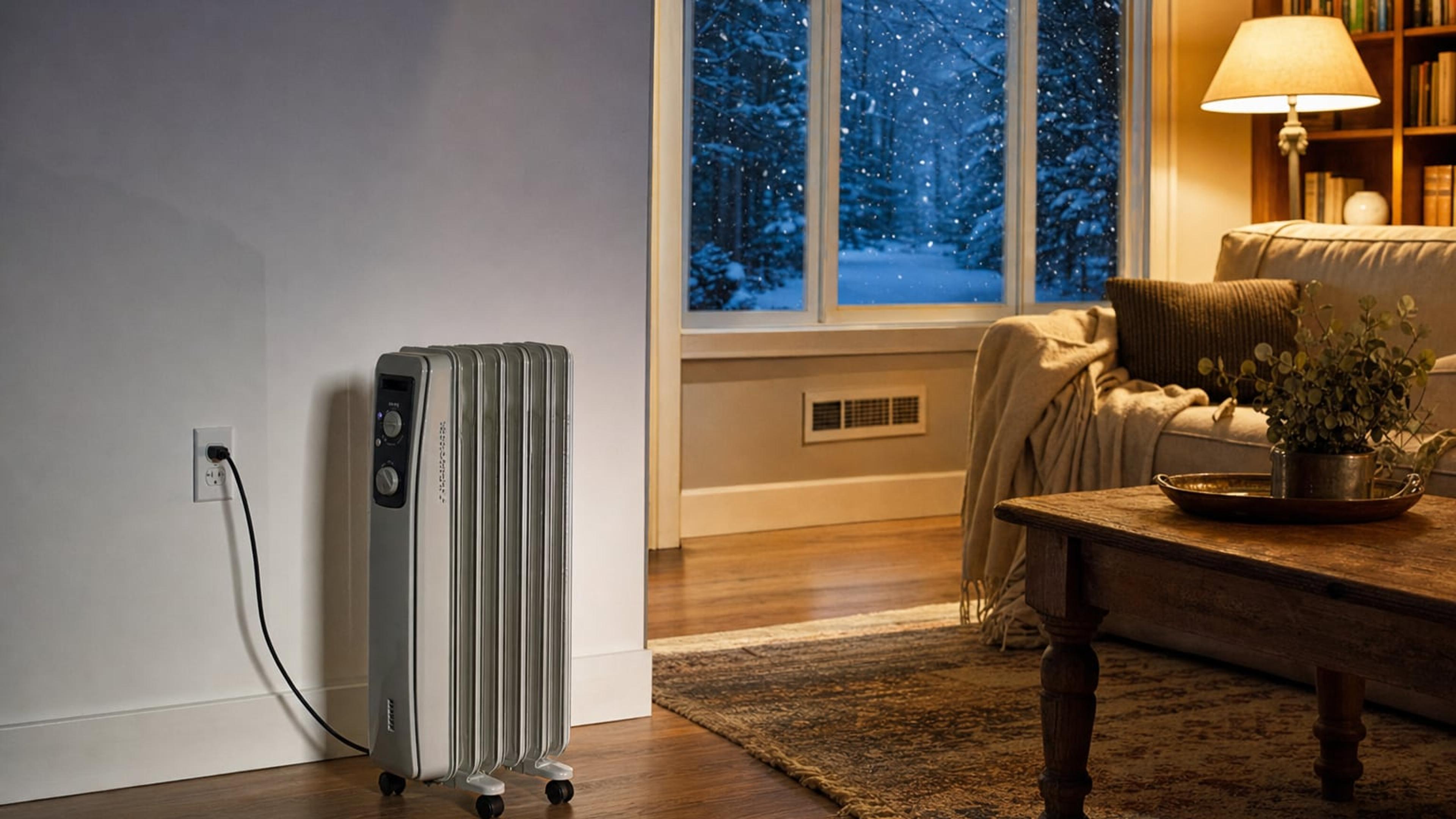
A space heater trips your breaker because it uses most of a standard household circuit by itself. A typical 1,500-watt heater on high draws roughly 12.5 amps, and a common 15-amp bedroom or living room circuit is meant to carry about 12 amps of continuous load. Add a lamp or a TV and the breaker does its job and shuts off. The fix is to plug the heater directly into a wall outlet on a lightly used circuit, never into a power strip or extension cord. If you rely on a heater every winter, a dedicated heater circuit is the long-term answer.
When January settles over the Capital Region, many homes in Schenectady, Rotterdam and Niskayuna lean on portable heaters for drafty bedrooms, finished basements and home offices. This guide explains which circuits can handle a heater, what the warning signs look like, and when it is time to call an electrician.
Why Space Heaters Are So Hard on Circuits
Unlike most appliances, a space heater on high pulls close to its full rated wattage for hours at a time.
The Math Behind a Space Heater Tripping a Breaker
You do not need to be an electrician to follow the basic numbers:
- Watts divided by volts equals amps. A 1,500-watt heater on a 120-volt outlet draws about 12.5 amps.
- A 15-amp circuit is common for bedrooms, living rooms and many older homes. Electricians generally plan to keep long-running loads at or below about 80 percent of a breaker's rating, which is about 12 amps.
- A 20-amp circuit gives more headroom, roughly 16 amps of continuous load, but that room disappears fast if a second heater or a hair dryer shares it.
That means a single heater on high can use nearly everything a 15-amp circuit has to give. The breaker is not faulty when it trips. It is protecting the wire from overheating.
Can a Space Heater Overload a Circuit?
Yes. The problem is usually what else shares the circuit. One breaker often feeds outlets in two or three rooms plus some lights, so a heater, TV and lamp together can exceed the rating. Our guide on why your breaker keeps tripping walks through how to identify an overloaded circuit.
Which Circuits Can Handle a Space Heater?
Not every outlet in your home is an equally good place for a heater. Here is how common circuits compare.
| Circuit type | Good fit for a heater? | Why |
|---|---|---|
| Lightly used 15-amp bedroom circuit | Usually, on its own | Little else running, but limited headroom |
| Shared 15-amp living room circuit | Often trips | TVs, lamps and electronics already add load |
| 20-amp general circuit | Better | More headroom if nothing else heavy is on it |
| Kitchen countertop circuit | Avoid | Meant for kettles, toasters and microwaves |
| Bathroom circuit | Avoid unless designed for it | Often shared with hair dryers; moisture concerns |
| Dedicated heater circuit | Best | Sized for the heater and nothing else |
Space Heater on a 15-Amp Circuit
A single heater on a 15-amp circuit can work if that circuit has almost nothing else on it. Use the low setting when possible, keep other heavy loads off that circuit, and watch for warmth at the plug. Running two heaters on one 15-amp circuit will almost always trip the breaker.
How to Find Out What Shares a Circuit
Turn off one breaker at a time and note which outlets and lights go dark, then label the panel. Do not remove the panel cover; flipping breakers is all you need.
Extension Cords and Power Strips: Why They Are the Real Danger
The National Fire Protection Association reports that heating equipment is one of the leading causes of home fires in the United States, and the NFPA heating safety guidance is clear: plug space heaters directly into a wall outlet.
Here is why extension cords and power strips cause trouble:
- Thin conductors heat up. Many household extension cords are not built for a continuous 12-amp load. The cord, plug and connections can overheat long before any breaker trips.
- Power strips are not heater-rated. Most strips are designed for electronics, not heating appliances, and their internal contacts can fail under sustained load.
- Hidden cords hide heat. Cords run under rugs or behind furniture cannot shed heat, and damage goes unnoticed.
If there is no safe outlet where you need heat, the room needs a new outlet or circuit.
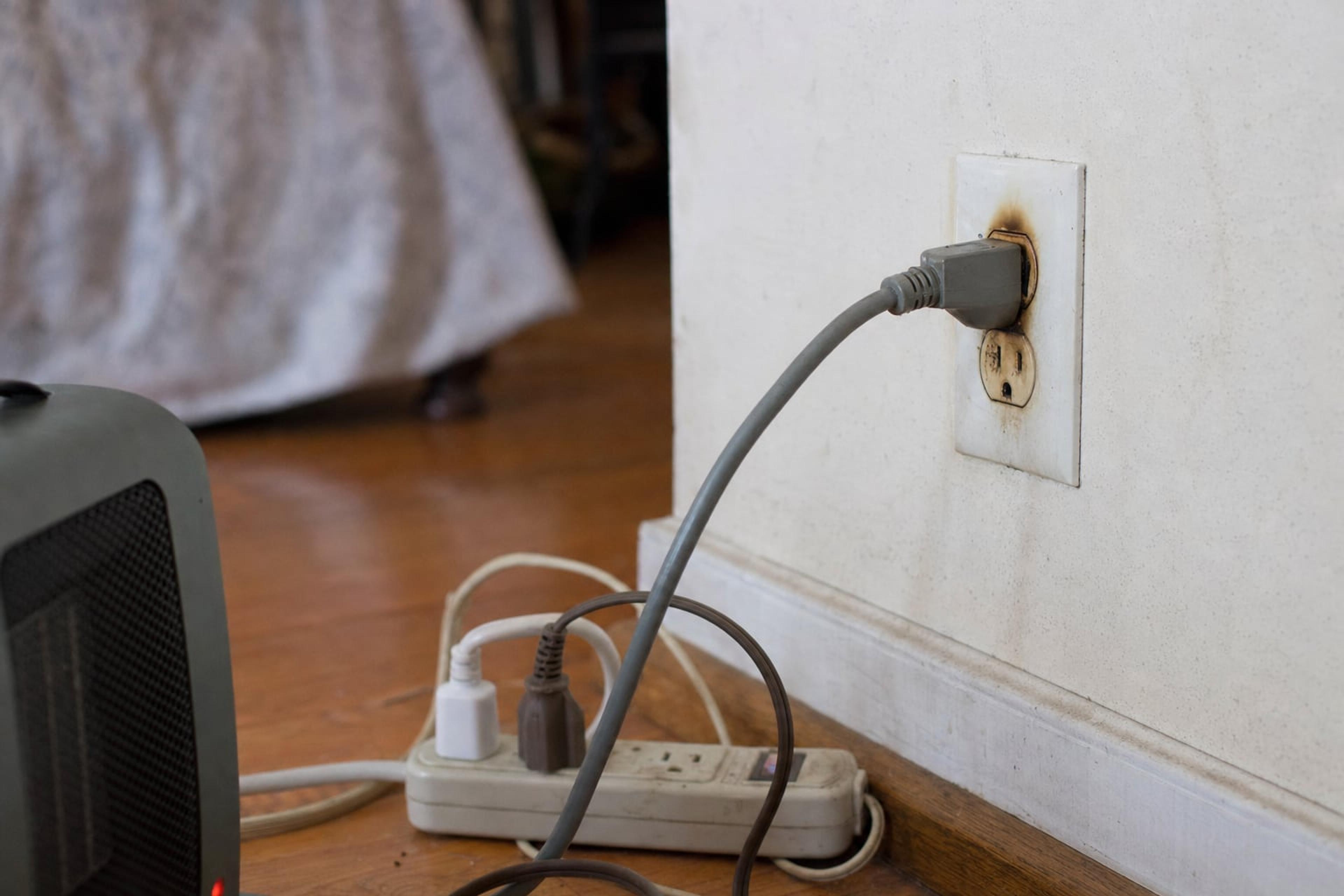
Warning Signs Your Outlet or Circuit Is Struggling
Even when the breaker does not trip, an outlet can be overheating. Turn off and unplug the heater, and have the circuit checked, if you notice:
- A plug or outlet that feels warm or hot to the touch
- Brown, tan or black discoloration on the outlet or cover plate
- A burning plastic or hot dust smell that does not go away after the first use of the season
- A plug that fits loosely or falls out of the outlet
- Lights that dim noticeably when the heater cycles on
- A breaker that trips every evening at the same time
Worn outlets that lose their grip on the plug create heat right at the connection. Replacing a worn device is a small repair, and our outlet installation team handles it every winter.
Safe Space Heater Habits for Upstate Winters
A few habits go a long way:
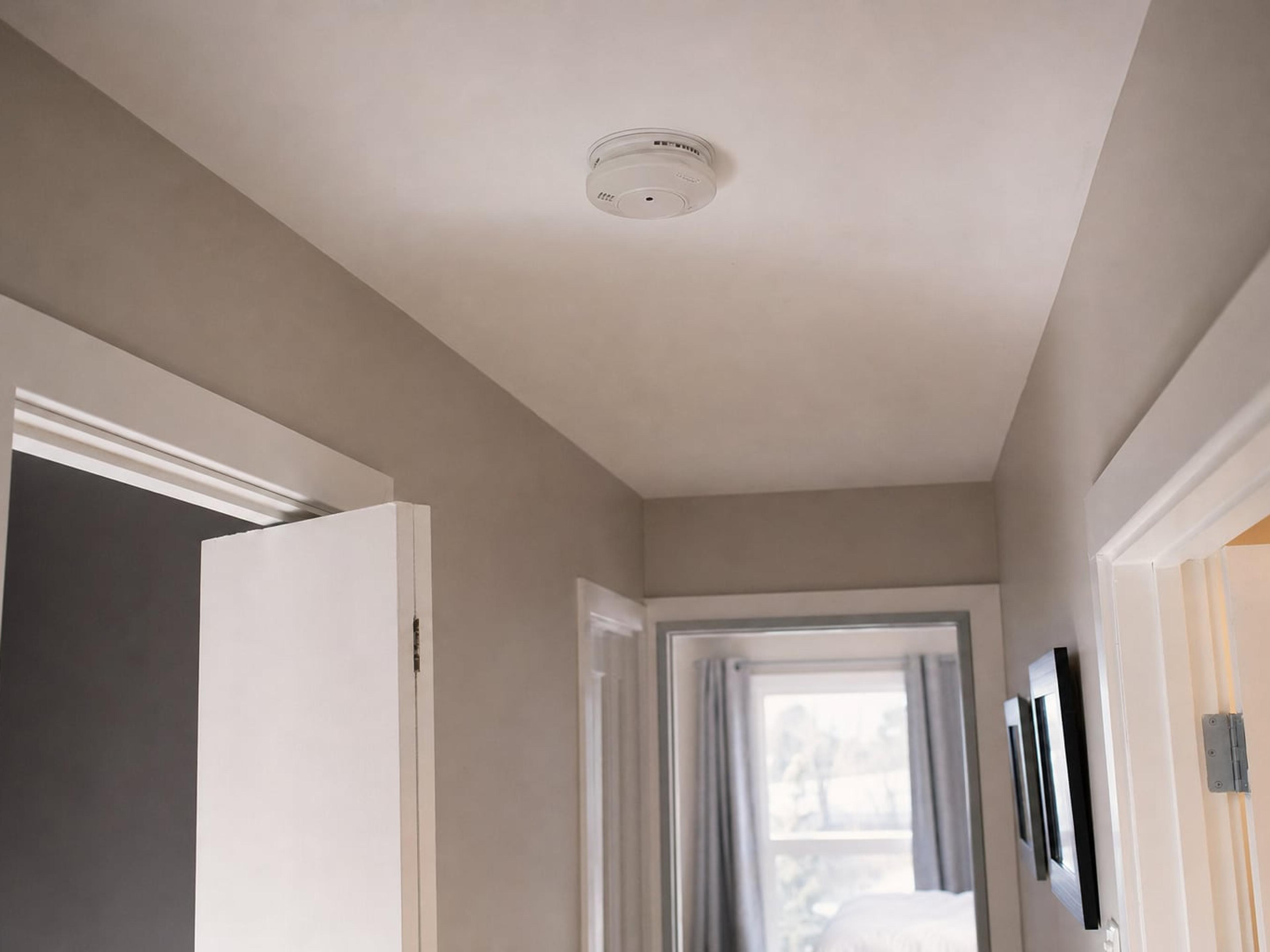
1. Plug the heater directly into a wall outlet, and do not share that outlet with other appliances. 2. Keep it at least three feet from beds, curtains, furniture and paper. 3. Choose a heater with tip-over and overheat shutoff and a mark from a recognized testing laboratory. 4. Turn it off when you leave the room or go to sleep. 5. Never use it to dry clothes or thaw pipes. 6. Test your smoke and carbon monoxide alarms; our team installs and inspects smoke and CO detectors.
The Electrical Safety Foundation International also publishes seasonal heating tips worth reviewing with your household.
When a Dedicated Heater Circuit Makes Sense
If you run a heater in the same room every day from November to March, a dedicated circuit removes the guesswork. The heater gets its own breaker and wire sized for the load, and you stop tripping the circuit that runs your TV and lights. Sometimes a hardwired wall heater or a mini-split heat pump is the better long-term fix. Our circuit breaker service covers breaker replacement, new circuits and panel evaluations, and we also install dedicated circuits throughout the region.
Scope is lower when the panel has open space and the room sits above an unfinished basement, and higher when the run crosses finished plaster walls or the panel is full. An on-site look and a written estimate will tell you where your home falls.
Space Heater Circuits in Schenectady, Rotterdam and Niskayuna
Many older homes in Schenectady and Rotterdam have bedrooms and living rooms sharing a single circuit, exactly where heaters cause trouble. In Niskayuna, finished basements and additions are often the rooms that get cold first.
I-ReM Electric & Construction is a fully insured electrical contractor serving Schenectady, Rotterdam, Niskayuna, Clifton Park and the rest of the Capital Region. Learn more about our work as a Schenectady electrician.
Book a Circuit Check
If your heater keeps tripping the breaker, or an outlet feels warm, a circuit check tells you which outlets can safely carry the load and whether a dedicated circuit is the right fix.
Space heater tripping the breaker? Book a circuit check and we will find a safe place to plug in this winter.
Frequently Asked Questions About Space Heater Circuit Safety
Why does my space heater keep tripping the breaker?
A heater on high can use most of a 15-amp circuit by itself. If other lights, electronics or another heater share that circuit, the total exceeds the breaker rating. Move the heater to a less loaded circuit, use a lower setting, or have a dedicated circuit installed.
Can I plug a space heater into an extension cord?
No. NFPA, ESFI and heater manufacturers advise plugging space heaters directly into a wall outlet. Extension cords and power strips can overheat under a heater's continuous load.
Is it safe to run a space heater on a 15-amp circuit?
Usually, if the heater is the only significant load on that circuit. Running a second heater or other high-draw appliances on the same circuit will likely trip the breaker.
Why is the outlet behind my space heater warm?
A warm outlet often means a worn device or a loose connection that is creating heat. Stop using that outlet and have it inspected, since heat at a connection can become a fire risk.
Do I need a dedicated circuit for a space heater?
Not always, but if you use a heater daily in the same room, a dedicated circuit is the safest and most reliable setup. An electrician can confirm whether your panel has room for one.
Related Articles

Have a Project In Mind?
Tell us about your project and we'll follow up with an estimate.