Why Do My Lights Flicker When the Furnace or Washer Starts?
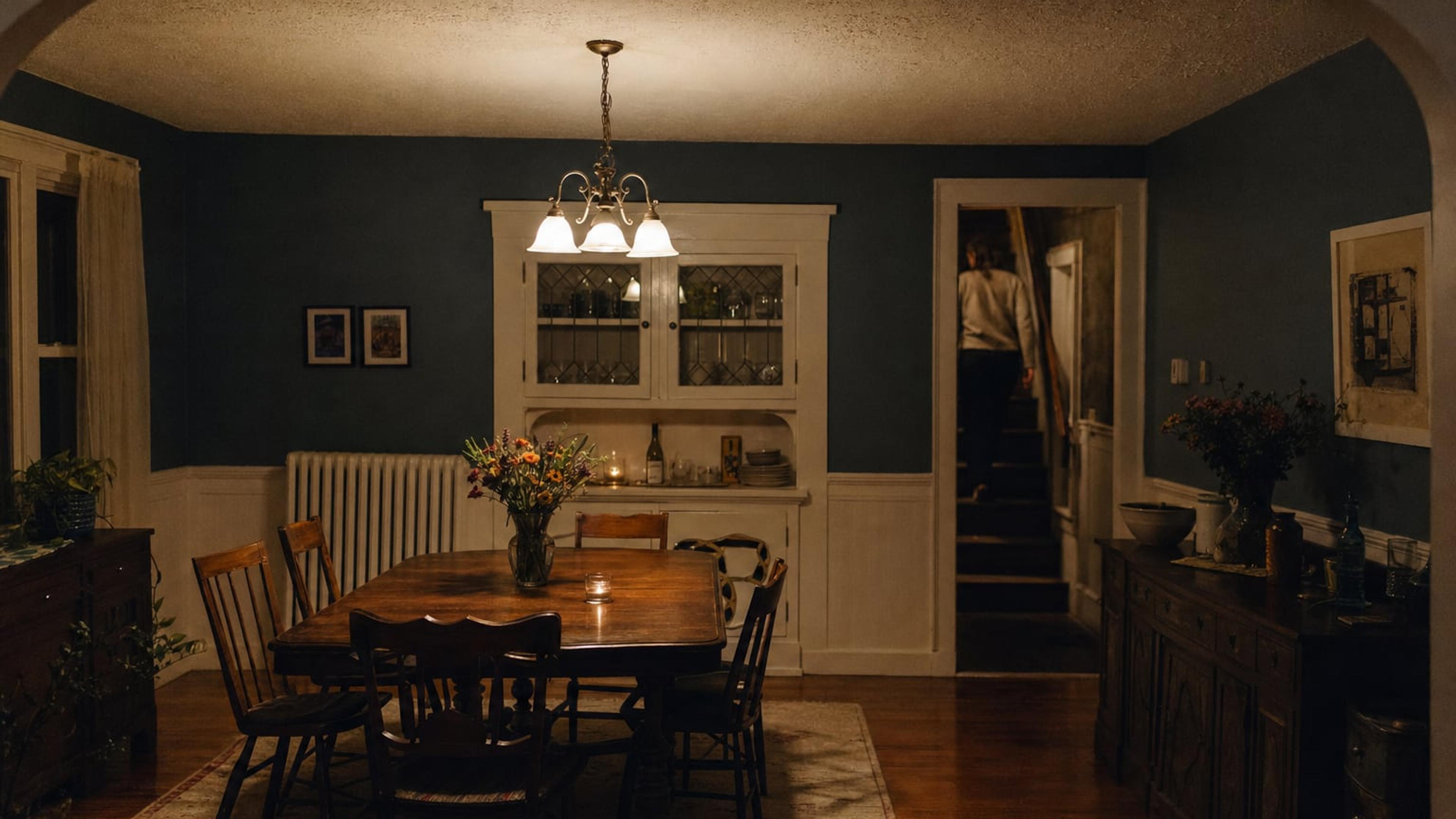
Lights usually flicker when the furnace, washer or air conditioner starts because motors draw a brief surge of current at startup, and that surge causes a small, momentary voltage dip on the circuits nearby. A quick, faint dim that lasts a fraction of a second is often normal. Flickering that is strong, lasts more than a moment, affects the whole house, or comes with lights getting brighter instead of dimmer points to a problem: an overloaded circuit, a loose connection, a loose neutral, or an issue on the utility's side. A loose neutral is urgent and should be checked right away.
Here is how to tell normal dimming from a warning sign, and when to call an electrician in Troy, Cohoes, Latham and across the Capital Region.
Why Motors Make Lights Dim
Furnace blowers, washers, sump pumps and air conditioners all use motors, and a motor briefly pulls several times its running current when it starts. Because the wiring has some resistance, that surge causes a short voltage drop, and nearby lights dim for a moment and recover.
Normal vs. Not Normal
| What you see | Likely meaning | Urgency |
|---|---|---|
| A faint, split-second dip when the furnace or AC kicks on | Normal motor inrush | Low |
| Noticeable dimming every time one appliance starts | Shared or overloaded circuit, possible loose connection | Moderate |
| Flickering in one room or on one fixture only | Loose bulb, failing fixture, worn switch or loose connection | Moderate |
| Whole-house flickering or dimming | Panel, service or utility-side issue | High |
| Some lights get brighter while others dim | Possible loose neutral | Urgent |
| Flicker with buzzing, burning smell or warm outlets | Loose or overheating connection | Urgent |
Lights Flicker When the Furnace Turns On
Many homes run the furnace blower on the same circuit as basement lights, so a brief dim when it starts is common. If the dimming is strong, lasts more than a second, or has gotten worse over time, the circuit may be overloaded or a connection in the circuit may be loose. Heat at a loose connection is a fire risk, even when the breaker never trips.
Lights Dim When the AC Starts
Central air conditioners and heat pumps have large compressors with a big startup surge. A slight dip across the house when the compressor starts can happen, but a deep, visible dim every cycle deserves a look. Causes include an undersized or aging service, a loose connection at the panel or meter, or a compressor that is struggling to start. A heating and cooling technician can check the equipment side, and an electrician can check the wiring and panel side. If you are adding a heat pump, our guide to heat pump electrical requirements covers what the panel needs to handle.
Lights Flicker When the Washer or Dryer Runs
Washers draw a surge at the start of each agitation and spin cycle, so repeated flickers through a laundry cycle are a common complaint. If the laundry shares a circuit with lights, that is the likely reason. Many electrical codes expect laundry to have its own circuit, and older homes or finished basements do not always have one. Adding a dedicated circuit usually solves it.
Whole-House Flickering
When lights flicker throughout the house, the cause is usually upstream of individual circuits. Possibilities include:
- A loose connection at the main breaker, main lugs or meter base
- A deteriorating service entrance cable or connection at the weatherhead
- A loose or failing neutral in the service
- A problem on the utility side, such as a transformer, a damaged service drop or a connection on the pole
When It Might Be the Utility
If your neighbors notice flickering at the same time, or it happens during storms, high winds or heavy ice, the issue may be on the utility's equipment. In the Capital Region, that is typically National Grid or NYSEG. Report it to your utility; they are responsible for the service drop and everything on the street side of the meter. Your electrician is responsible for the meter base, panel and wiring inside your home. Sometimes both need to look at it to find the source.
Loose Neutral Symptoms: When Flickering Is Urgent
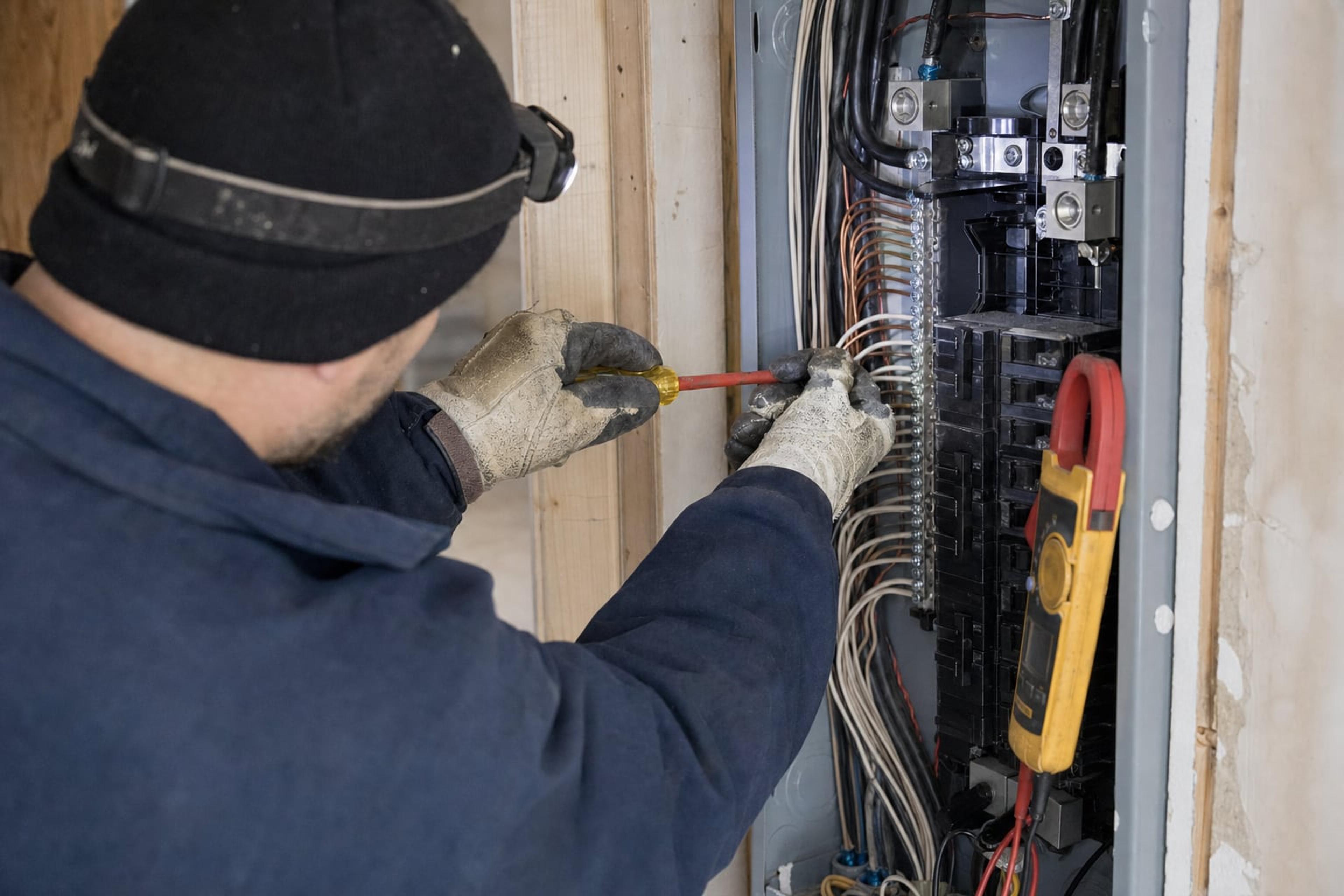
The neutral conductor carries current back from your circuits and balances the two 120-volt legs of a typical home's service. If the neutral loosens or breaks at the panel, meter or service drop, voltage can swing unevenly. One side of the house may see voltage drop while the other side sees voltage rise.
Common loose neutral symptoms include:
- Some lights get noticeably brighter while others dim at the same time
- Lights brighten when a large appliance turns on
- Electronics, chargers or bulbs fail more often than they should
- Appliances run strangely, hum, or motors sound labored
- Flickering that gets worse over days or weeks
A loose neutral can damage electronics and appliances and can overheat connections. If you see these symptoms, turn off sensitive electronics, avoid running large appliances, and call your utility and an electrician right away. If you smell burning or see scorching at the panel, treat it as an emergency and use our 24/7 emergency electrical service.
What You Can Safely Check Yourself
A few safe checks help narrow it down:
1. Tighten or replace the bulb. A loose or failing bulb is the simplest cause of a single flickering fixture. 2. Check LED and dimmer compatibility. Some LED bulbs flicker on older dimmers. Try a bulb marked as dimmable or a compatible dimmer. 3. Note the pattern. Which lights flicker, which appliance starts at the same time, and whether it is one room or the whole house. 4. Ask your neighbors. If they see it too, contact your utility. 5. Feel for heat, from a distance first. A cover plate that feels warm, or a burning smell, means stop using that outlet or switch.
Do not open the panel cover or the meter base. Those connections carry power even with the main breaker off.
The Electrical Safety Foundation International lists flickering and dimming lights among the warning signs of electrical problems in the home and recommends having them evaluated.
How an Electrician Diagnoses Flickering
An electrician will typically measure voltage on both legs of the service under load, inspect and torque connections at the panel and main lugs, check the neutral and ground connections, and trace any individual circuit where flicker is isolated. Older homes may have backstabbed outlets, aging splices or outdated wiring that loosens over time. Where that is the case, our wiring upgrade service replaces worn wiring and connections, and our electrical safety check is a good starting point for a full-house review.
Scope ranges from lower (a loose fixture or outlet connection) to moderate (a new laundry circuit or panel connection repair) to higher (rewiring several circuits or replacing the service). We provide a written estimate after diagnosis.
Flickering Lights in Troy, Cohoes and Latham
Troy and Cohoes have a large share of older row houses and multi-family homes, where decades-old services, shared basements and modified wiring are common. Those are exactly the places where loose connections and overloaded circuits cause flickering. In Latham, many homes have been expanded or have added central air over the years, putting more load on panels that were sized for a smaller house.
I-ReM Electric & Construction is a fully insured electrical contractor serving Troy, Cohoes, Latham, Clifton Park and the rest of the Capital Region. Learn more about our work as a Troy electrician.
Schedule a Diagnosis
A faint, split-second dip when the furnace starts is usually nothing to worry about. Flickering that is strong, spreading, or comes with lights getting brighter needs a professional look.
Lights flickering and not sure why? Schedule a diagnosis and we will track down the cause.
Frequently Asked Questions About Flickering Lights
Is it normal for lights to dim when the furnace turns on?
A faint, brief dim is often normal because the blower motor draws a startup surge. Strong or lasting dimming, or dimming that is getting worse, should be checked by an electrician.
Can flickering lights be a fire hazard?
They can be. Flickering caused by a loose connection means heat is building at that connection. If flickering comes with warmth, buzzing or a burning smell, stop using the circuit and call an electrician.
What are the signs of a loose neutral?
Lights that get brighter while others dim, lights that brighten when an appliance starts, electronics failing early and appliances running oddly. A loose neutral is urgent; contact your utility and an electrician right away.
Why do my LED lights flicker?
LED bulbs can flicker on older dimmers that are not designed for them, or when the bulb itself is failing. Try a compatible dimmer or bulb. If flicker continues on several fixtures, the wiring should be checked.
Should I call the utility or an electrician for flickering lights?
If neighbors see it too, or it happens in storms, call your utility first. If it is limited to your home, call an electrician. For whole-house flicker, it is often best to contact both.
Related Articles
Have a Project In Mind?
Tell us about your project and we'll follow up with an estimate.