
Smoke and Carbon Monoxide Detector Requirements for New York Homes
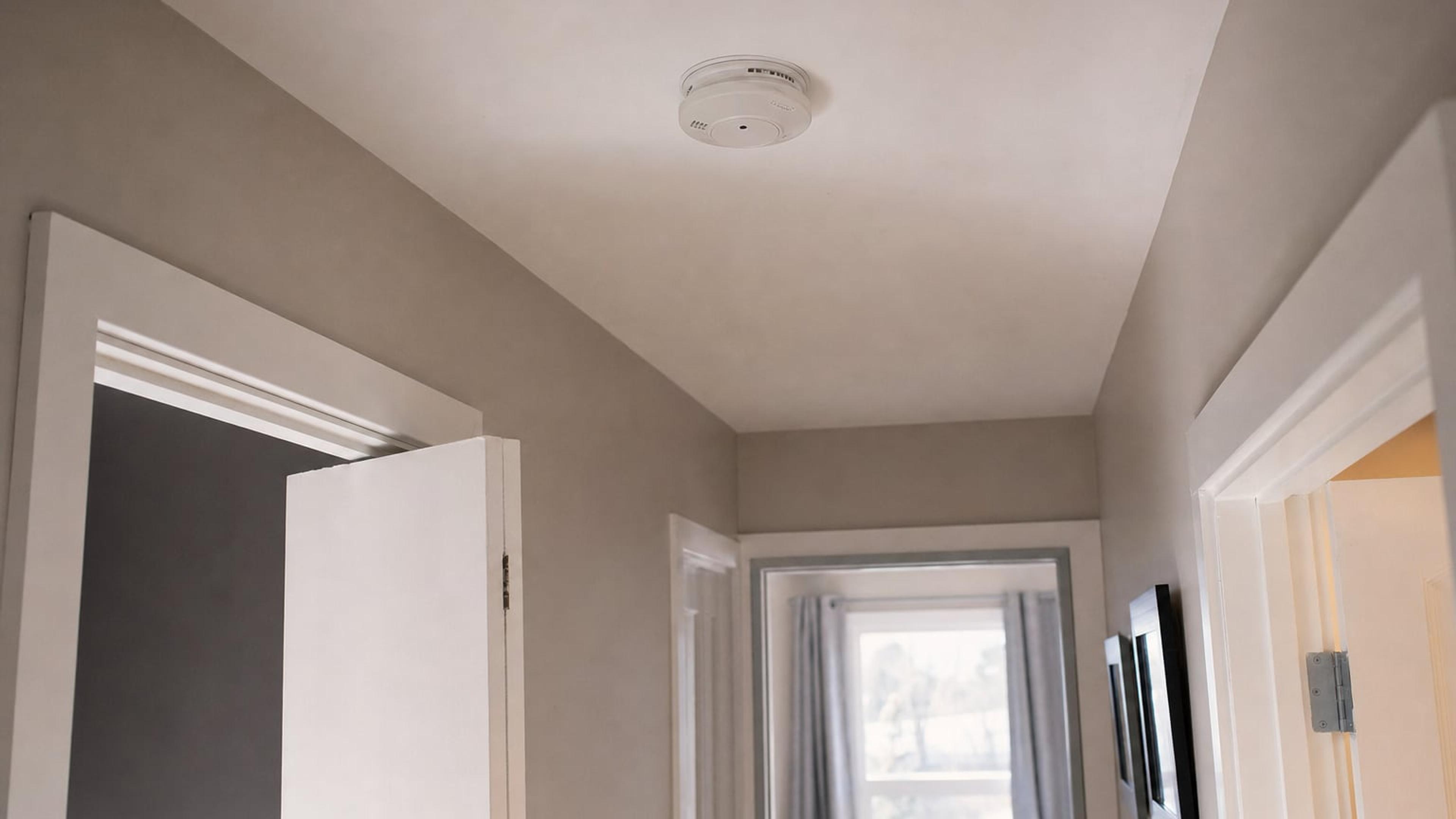
New York requires carbon monoxide alarms in one- and two-family homes and multiple dwellings that have a fuel-burning appliance or an attached garage, under a 2010 law known as Amanda's Law. Every home also needs working smoke alarms, and since December 2019 New York has restricted the sale of smoke alarms with removable batteries: new battery-only units must have a sealed, 10-year battery. New construction and many permitted renovations require hardwired, interconnected alarms with battery backup.
That is the short version. Below we explain what each rule covers, where alarms should go, and what changes when you build, add on or renovate. Local code officials enforce these requirements, so details can vary by building, and your municipality has the final word.
Carbon Monoxide Alarms and Amanda's Law
What Amanda's Law Requires
Amanda's Law took effect in February 2010 and is named for a teenager who died from carbon monoxide poisoning in a home with a faulty boiler. It requires CO alarms in one- and two-family dwellings and in multiple dwellings, such as apartment buildings, when the building has an appliance, fireplace or other device that burns fuel, or an attached garage.
Fuel-burning equipment includes gas, oil, propane and wood appliances: furnaces, boilers, water heaters, gas ranges and dryers, fireplaces and wood stoves. In the Capital Region, that describes most homes. Even an all-electric home typically needs CO protection if it has an attached garage, because a car left running can fill the house with carbon monoxide.
Battery or Hardwired?
The requirements depend on when the home was built. For many older existing homes, battery-powered or plug-in alarms with battery backup have been accepted. Newer construction is generally required to have hardwired CO alarms with battery backup. If you are unsure which rules apply to your house, your local building department or an electrician familiar with local inspections can tell you.
Where CO Alarms Go
At minimum, Amanda's Law calls for a CO alarm on the lowest story of the home that has a sleeping area. Current building code takes a broader approach, generally calling for CO alarms outside each separate sleeping area in the immediate vicinity of the bedrooms, and inside a bedroom if it contains a fuel-burning appliance or opens to an attached bathroom with one.
Good practice goes further. Many homeowners add a CO alarm on every level, including the basement near the furnace or boiler, while following the manufacturer's spacing guidance so the alarm is not mounted directly next to the appliance.
Smoke Alarm Requirements in New York
The 10-Year Sealed Battery Law
Since December 1, 2019, New York has restricted the sale of smoke alarms powered by removable or replaceable batteries. Battery-only smoke alarms sold in the state must use a sealed, non-removable battery designed to last at least 10 years. Hardwired alarms with a battery backup are still sold and installed.
The law addresses a familiar problem: people pulling batteries out of a chirping or nuisance alarm and never putting them back. A sealed unit cannot be disabled that way. When the battery runs down, the whole alarm is replaced.
The law applies to what can be sold, so existing alarms with removable batteries do not have to be ripped out the day the law took effect. When they reach the end of their life, they are replaced with a compliant unit.
Where Smoke Alarms Go
Under the residential code used in New York, smoke alarms are generally required:
- Inside each bedroom
- Outside each sleeping area, in the immediate vicinity of the bedrooms
- On every level of the home, including the basement
Keep alarms away from spots that trigger false alarms. Installation standards call for keeping them a reasonable distance from cooking appliances, often cited as about 10 feet, and away from bathrooms where steam can set them off. Follow the manufacturer's instructions for ceiling and wall mounting, and avoid the peak of vaulted ceilings and dead-air corners where smoke may not reach the sensor quickly.
Combination Alarms
Combination smoke and CO alarms are a practical way to cover hallways outside bedrooms, where both types are typically called for. They use separate sensors and distinct alarm patterns so you can tell which hazard is present.
Hardwired and Interconnected Alarms
What New Construction Requires
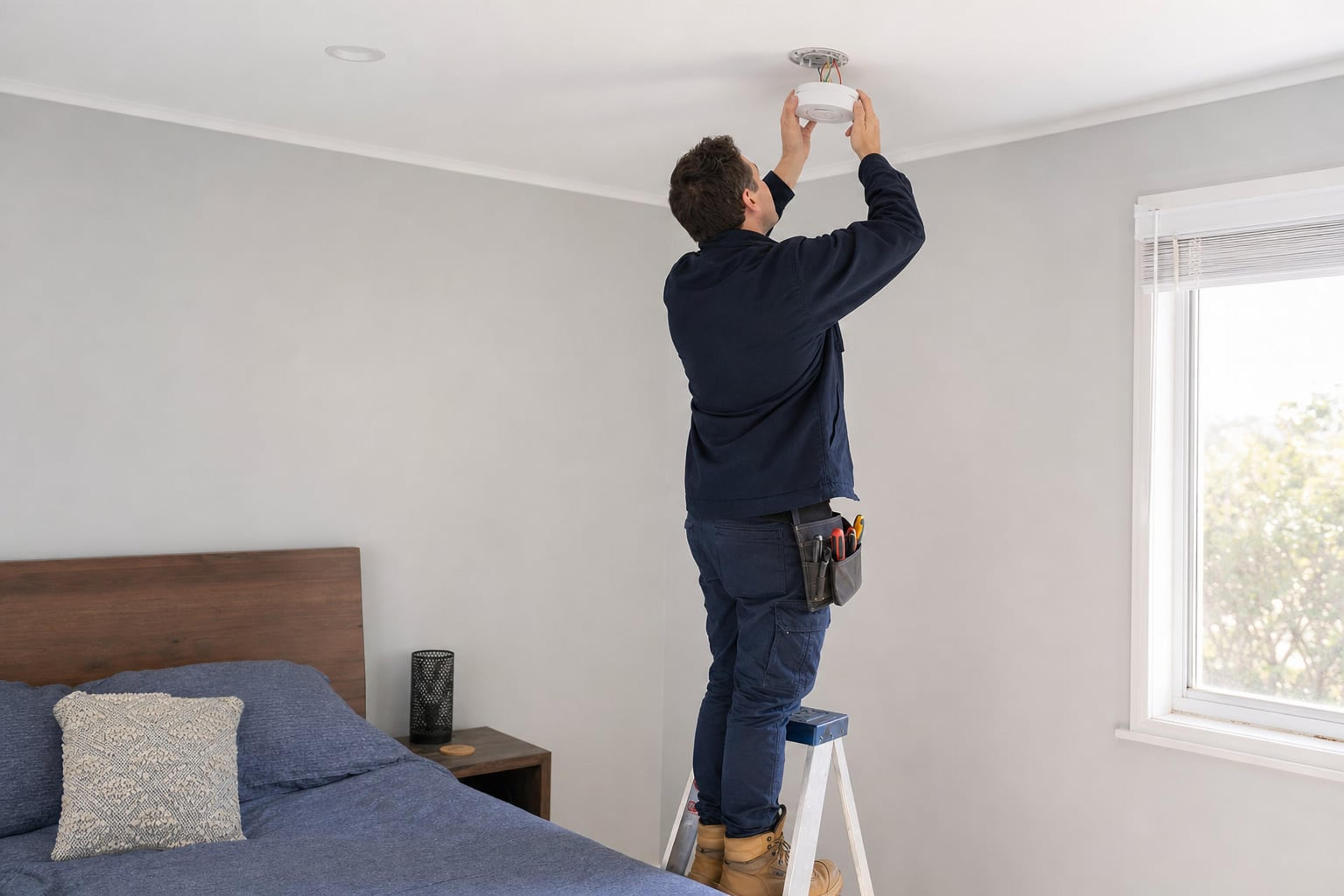
New homes and additions are generally required to have smoke alarms that are hardwired to the home's electrical system with a battery backup, and interconnected so that when one alarm sounds, every alarm in the house sounds. That matters most in a two-story or split-level home, where a fire on one floor might not be heard in bedrooms on another.
Renovations Can Trigger the Requirement
When you do permitted work such as an addition, a finished basement or a significant remodel, the building code often requires that the home's smoke alarms be brought up to current standards. There are typically exceptions when walls and ceilings are not opened up and running new wire would mean tearing out finishes. In those cases, code officials may accept wireless interconnected alarms with sealed batteries. Ask your inspector or contractor early so alarm work is included in the plan.
Wireless Interconnection for Existing Homes
If your house is not being renovated but you want interconnected protection, wireless interconnected alarms are a strong upgrade. They communicate by radio, so when one sounds, they all sound, without new wiring through finished walls. Some systems can also link to existing hardwired alarms of the same brand.
Maintenance: Testing and Replacement
- Test monthly. Press the test button on every alarm.
- Replace smoke alarms every 10 years. The NFPA recommends replacing smoke alarms 10 years after the manufacture date printed on the back. Its NFPA 72 standard is the national model for alarm installation.
- Replace CO alarms per the manufacturer. CO sensors wear out, and many units are rated for 7 to 10 years. Most will chirp or show an end-of-life warning.
- Match like for like on hardwired alarms. Replacement hardwired alarms should be compatible with the existing wiring and interconnect, or the alarms may not sound together.
Before the heating season and holidays, it is a good time to test everything. Our holiday electrical safety checklist covers that and other seasonal checks.
Alarm Installation in Albany, Loudonville and Delmar
Homes across Albany, Loudonville and Delmar range from century-old row houses and colonials to recent builds. Older homes often have a mix of alarm types and ages, and sometimes no CO protection at all on the bedroom level. Newer homes may have hardwired, interconnected alarms that are now reaching the 10-year mark.
I-ReM Electric & Construction is a fully insured electrical contractor serving Albany County, Saratoga County, Schenectady and the rest of the Capital Region. We install and replace smoke and carbon monoxide detectors, add hardwired and interconnected alarms during renovations, and can include alarms in a full electrical safety check. Homeowners can also reach our Albany electrician team directly.
Book a Detector Install
If your alarms are old, mismatched, missing on a level, or not interconnected, a single visit can bring the whole house up to date.
Want your alarms done right? Book a detector install and we will check placement, wiring and expiration dates throughout your home.
Frequently Asked Questions About Carbon Monoxide Detector Requirements in NY
Are carbon monoxide detectors required in New York homes?
Yes, in most homes. Amanda's Law requires CO alarms in one- and two-family homes and multiple dwellings that have a fuel-burning appliance, fireplace or attached garage. That covers the majority of homes in the Capital Region.
Do I have to replace my smoke alarms with 10-year sealed battery models?
The 2019 law restricts what can be sold, so new battery-only alarms must have a sealed 10-year battery. When your existing removable-battery alarms reach the end of their life, replace them with a sealed unit or a hardwired alarm with battery backup.
Where should a carbon monoxide detector be placed?
At minimum, on the lowest level with a sleeping area. Current code generally calls for CO alarms outside each sleeping area near the bedrooms. Many homeowners also add one on each level, including the basement.
Do smoke alarms need to be hardwired in New York?
New construction and additions generally require hardwired, interconnected smoke alarms with battery backup. Existing homes are not usually required to rewire, but permitted renovations can trigger upgrades. Check with your local building department.
How long do smoke and CO detectors last?
Smoke alarms should be replaced 10 years after their manufacture date. CO alarms typically last 7 to 10 years, depending on the model. Check the date on the back of each unit.
Related Articles
Have a Project In Mind?
Tell us about your project and we'll follow up with an estimate.